What We Leanred from the Fire. 2025-2026.
Examining Salem's History to Promote Housing Development.
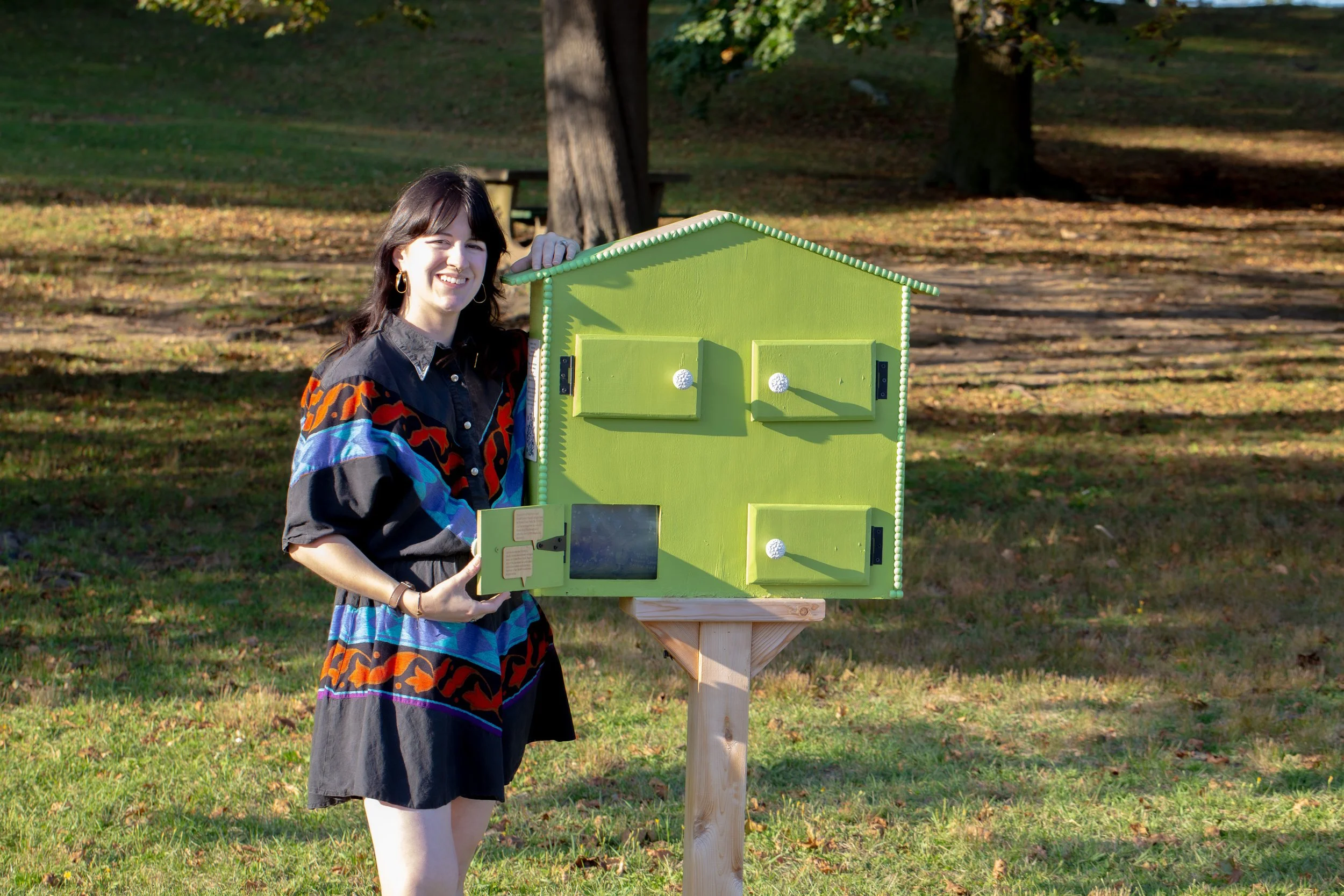
What We Learned from the Fire is an interactive public sculpture at Forest River Park in Salem that links the 1914 Great Salem Fire to today’s housing crisis. How can we honor our history while making room for future histories?
This work was created in support by The City of Salem. Research and advocacy was supported by the MassCreative Advocacy and Organizing Fellowship and Solidarity Rising.
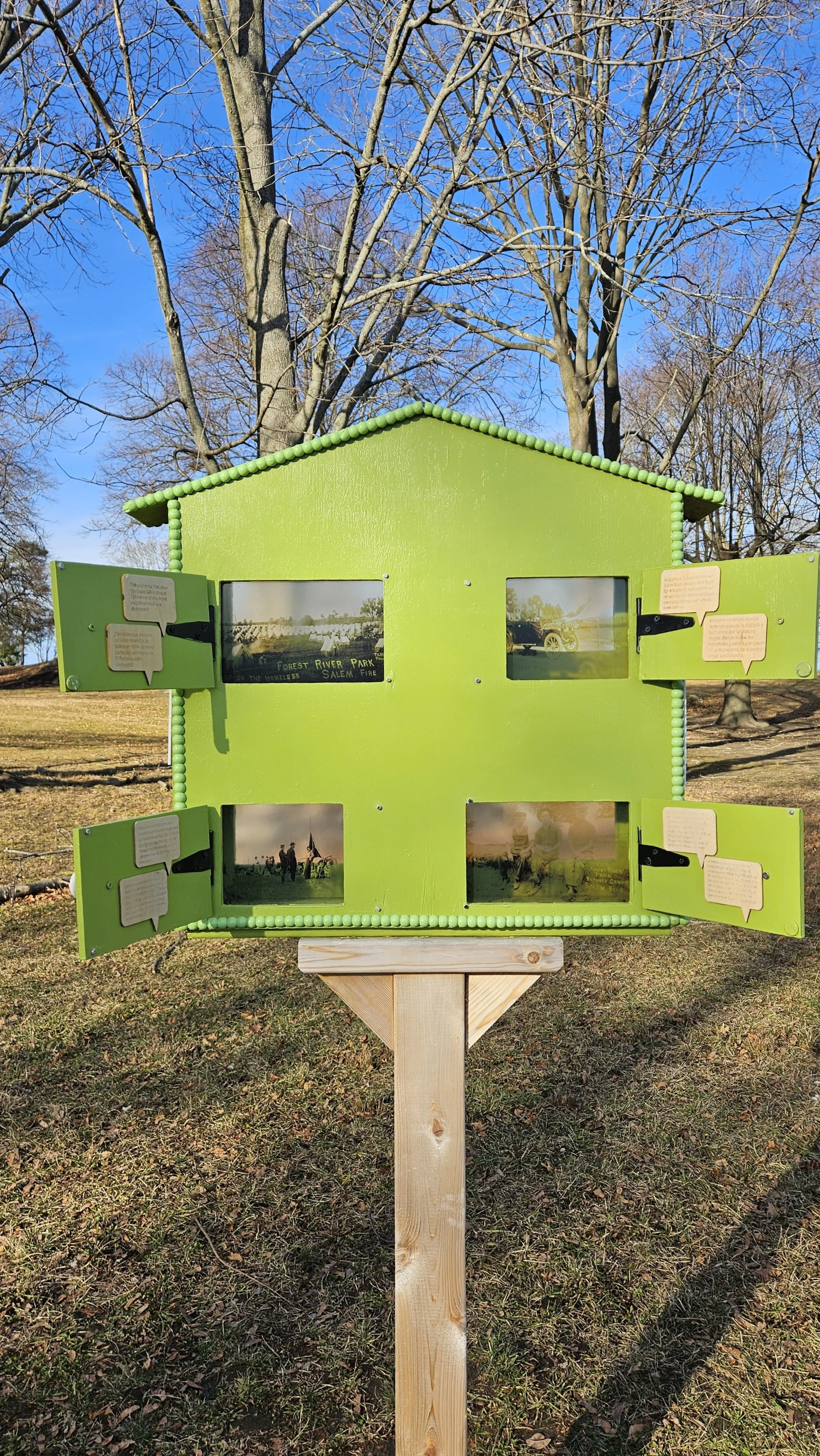
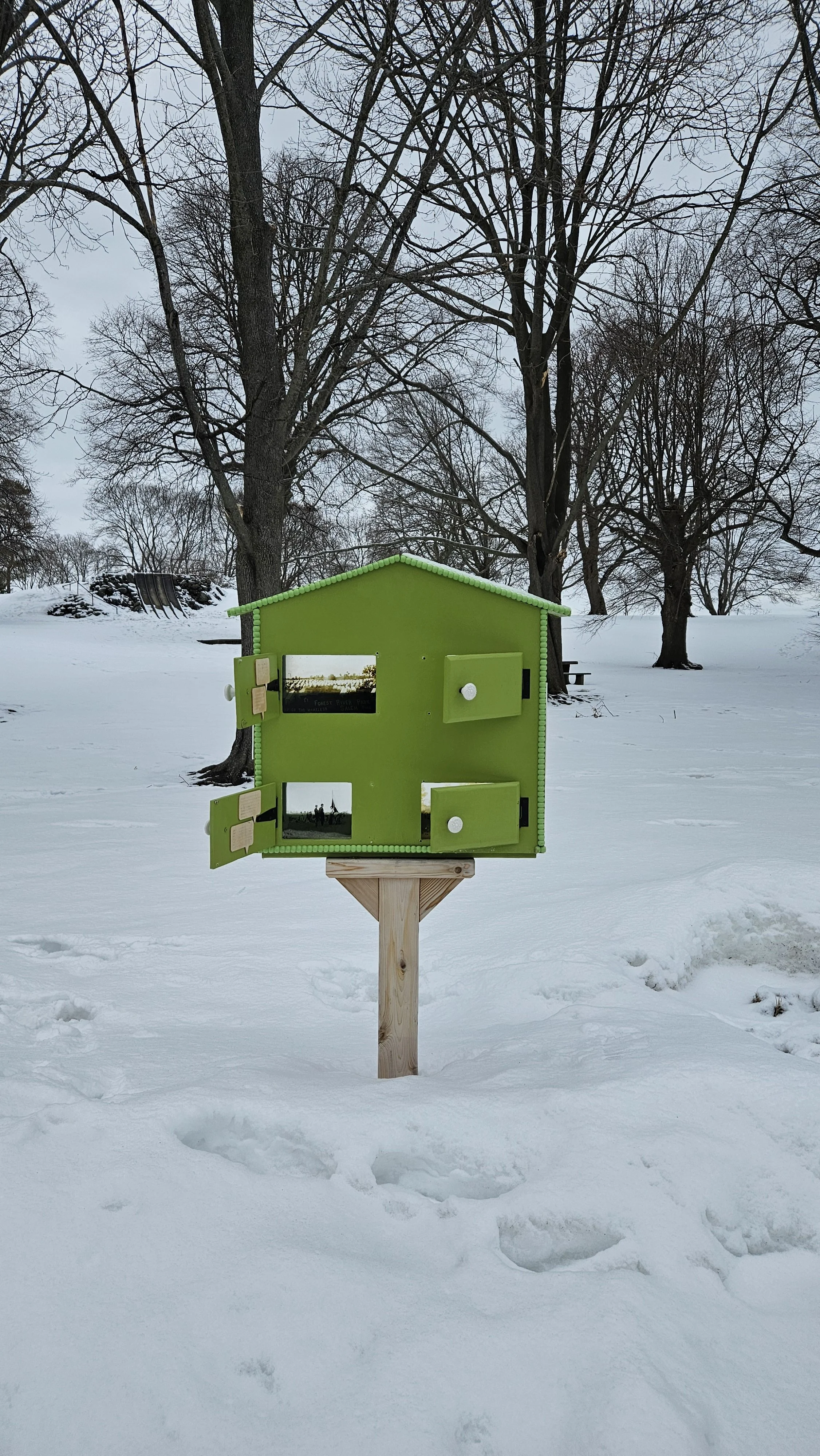
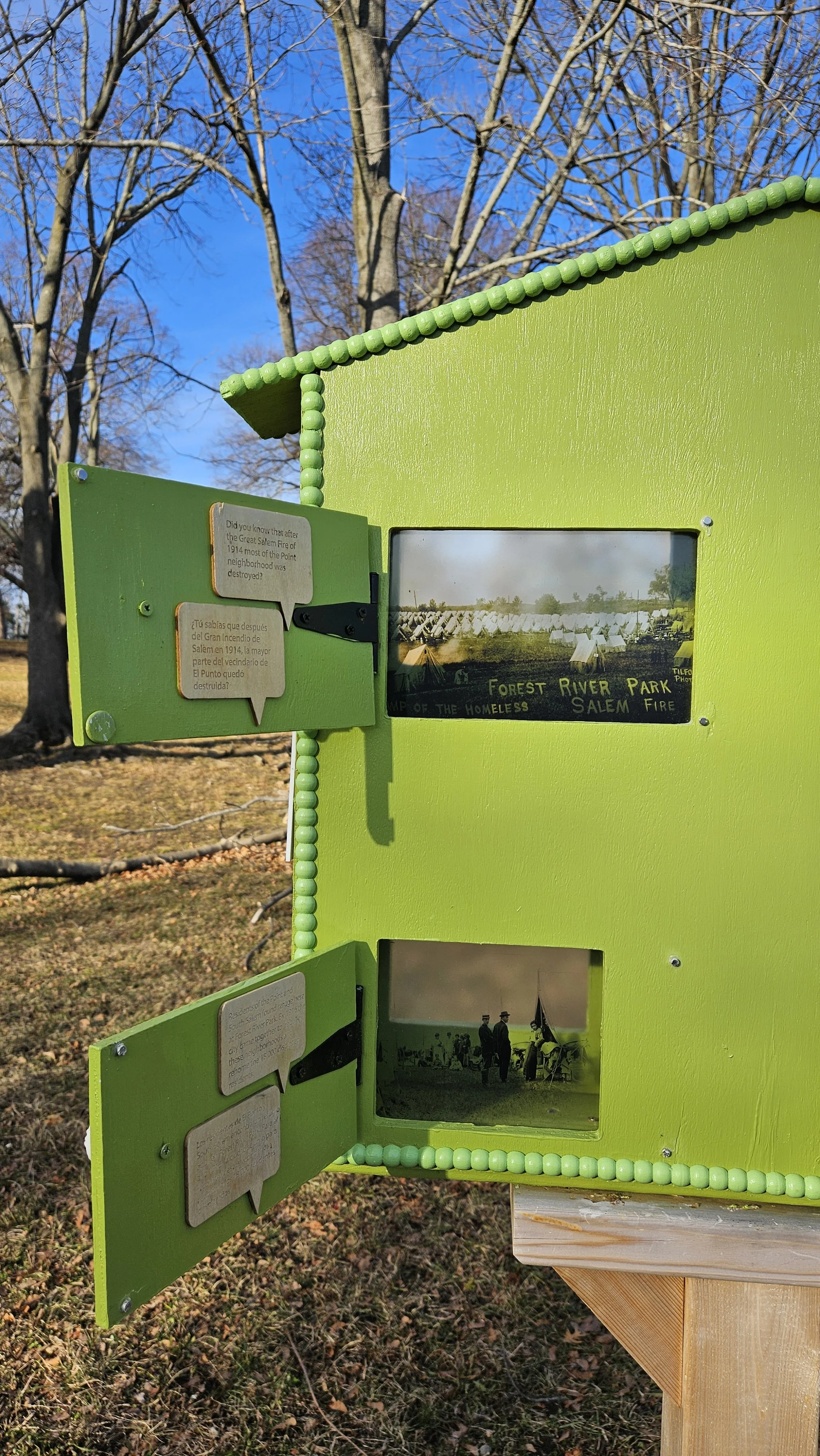
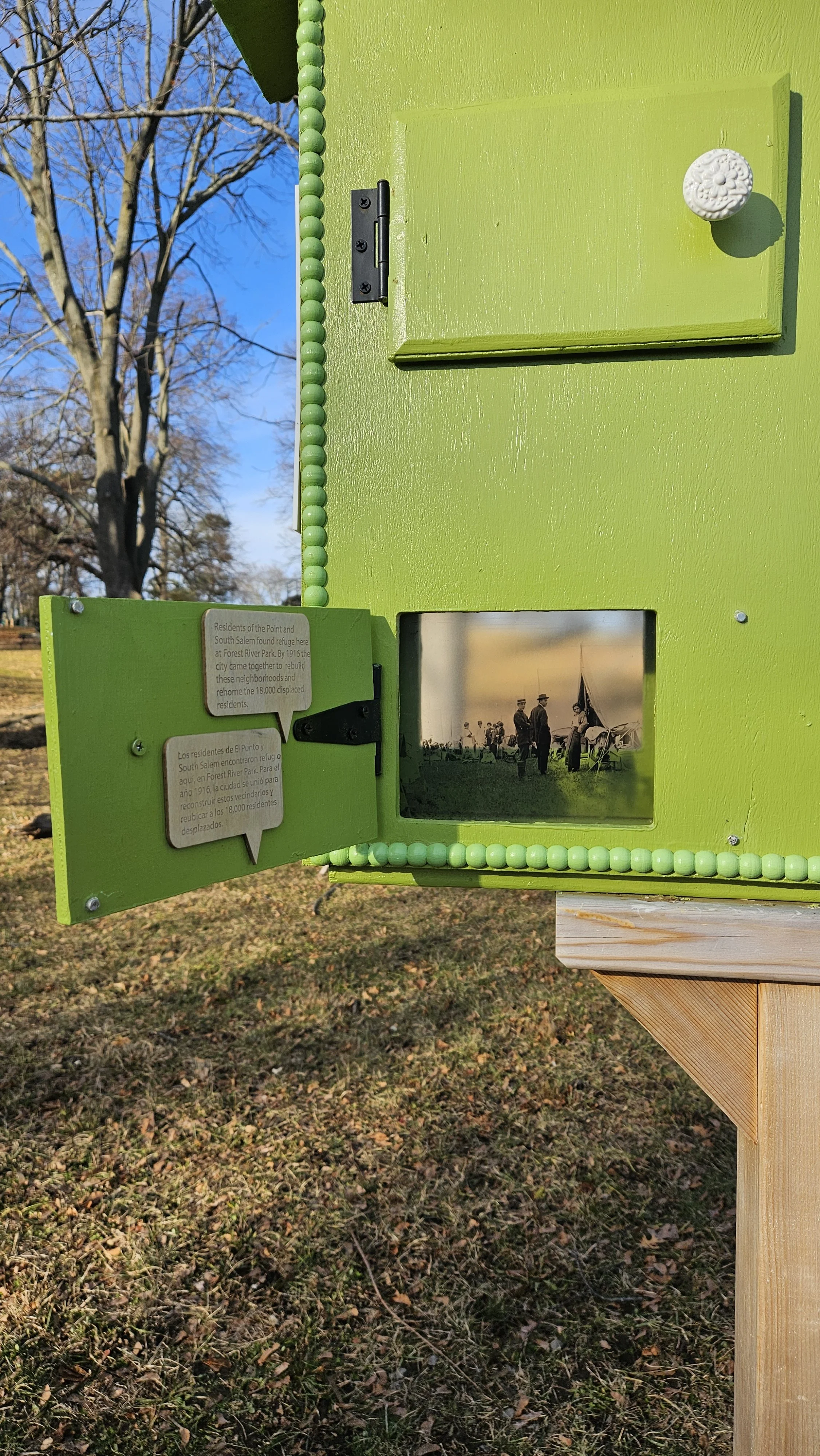
Bright green and shaped like a small house, the work has cabinet doors that open to reveal historical images of the Great Salem Fire Forest River Park encampments printed on plexiglass. On the inside of the doors, bilingual (English/Spanish) text adds information on current housing shortages, zoning, and homelessness in Salem. QR codes along the sides connect viewers to additional resources and a call to action, encouraging them to contact city officials in support of affordable housing, smart-growth policies, and decreasing homelessness. By inviting neighbors to learn, reflect, and respond, the What We Learned from the Fire uses local history to build empathy and spark constructive, pro-housing conversations in an interactive, whimsical manner.
Why is this project at a specific park in Salem? In 1914, over 18,000 Salem residents, primarily immigrant Frano-Americans and the working class, lost their homes to the Great Salem Fire. This event is the last great urban fires of the 19th and 20th centuries. Seeking refuge, the displaced residents sheltered at Forest River Park, supported by the city and numerous charity organizations.
As of 2024, public camping is banned when shelter beds are available within 15 miles of Salem’s borders. But yet, housing is inaccessible for the majority of people, especially those who are unhoused.
What if we acted with clarity, swiftness, and vision to house people just like our ancestors did in 1914-1916?
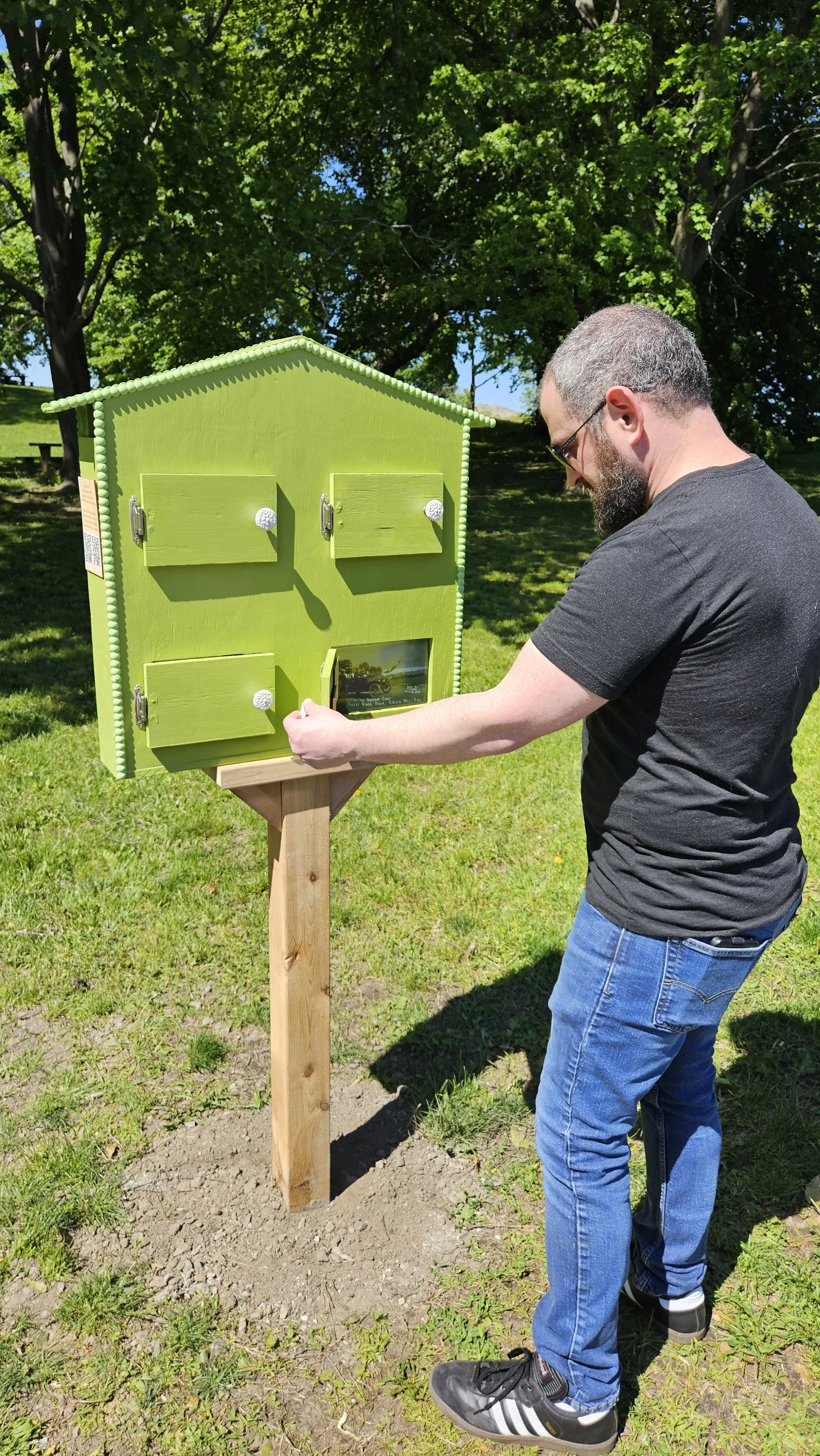
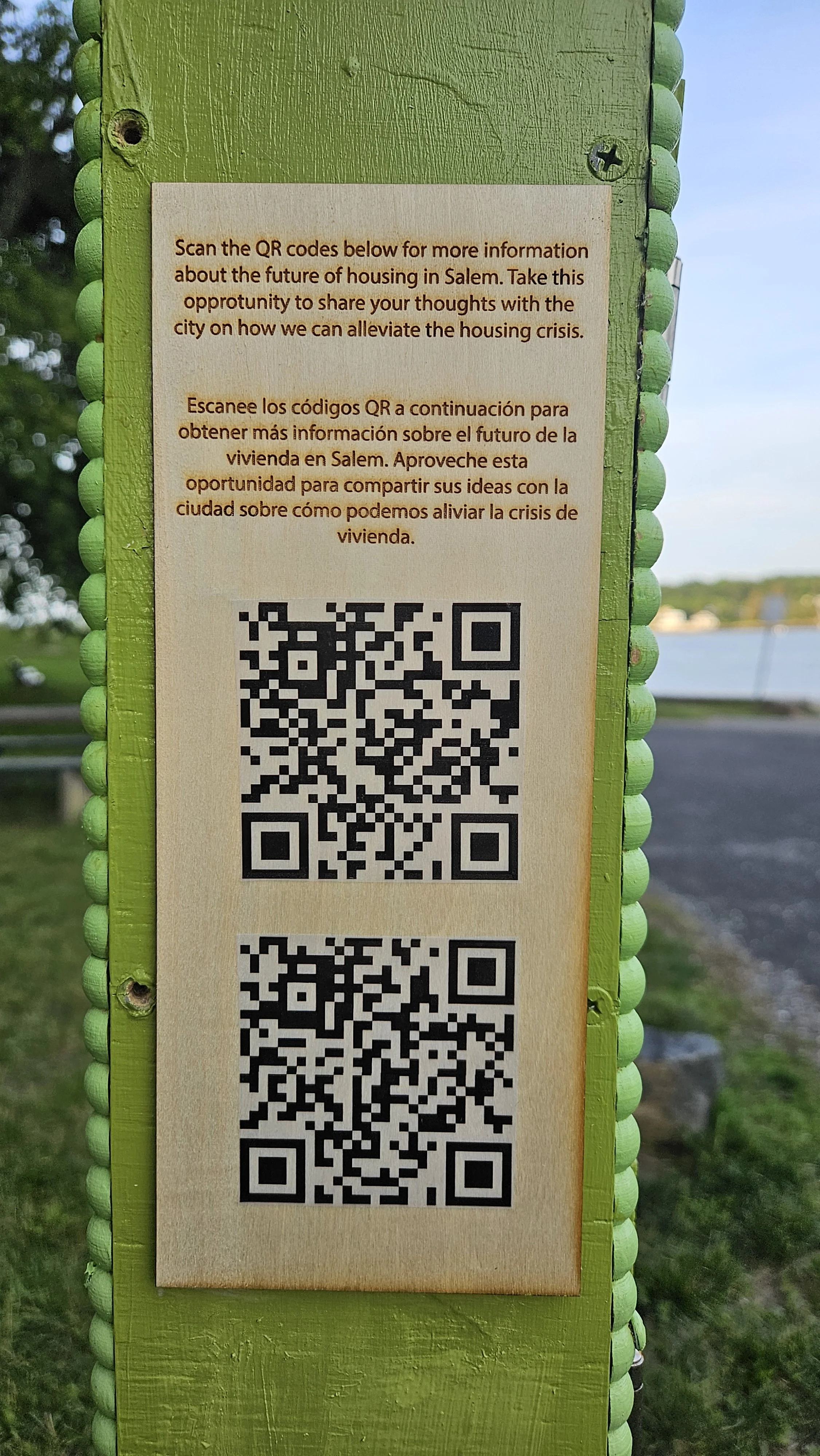
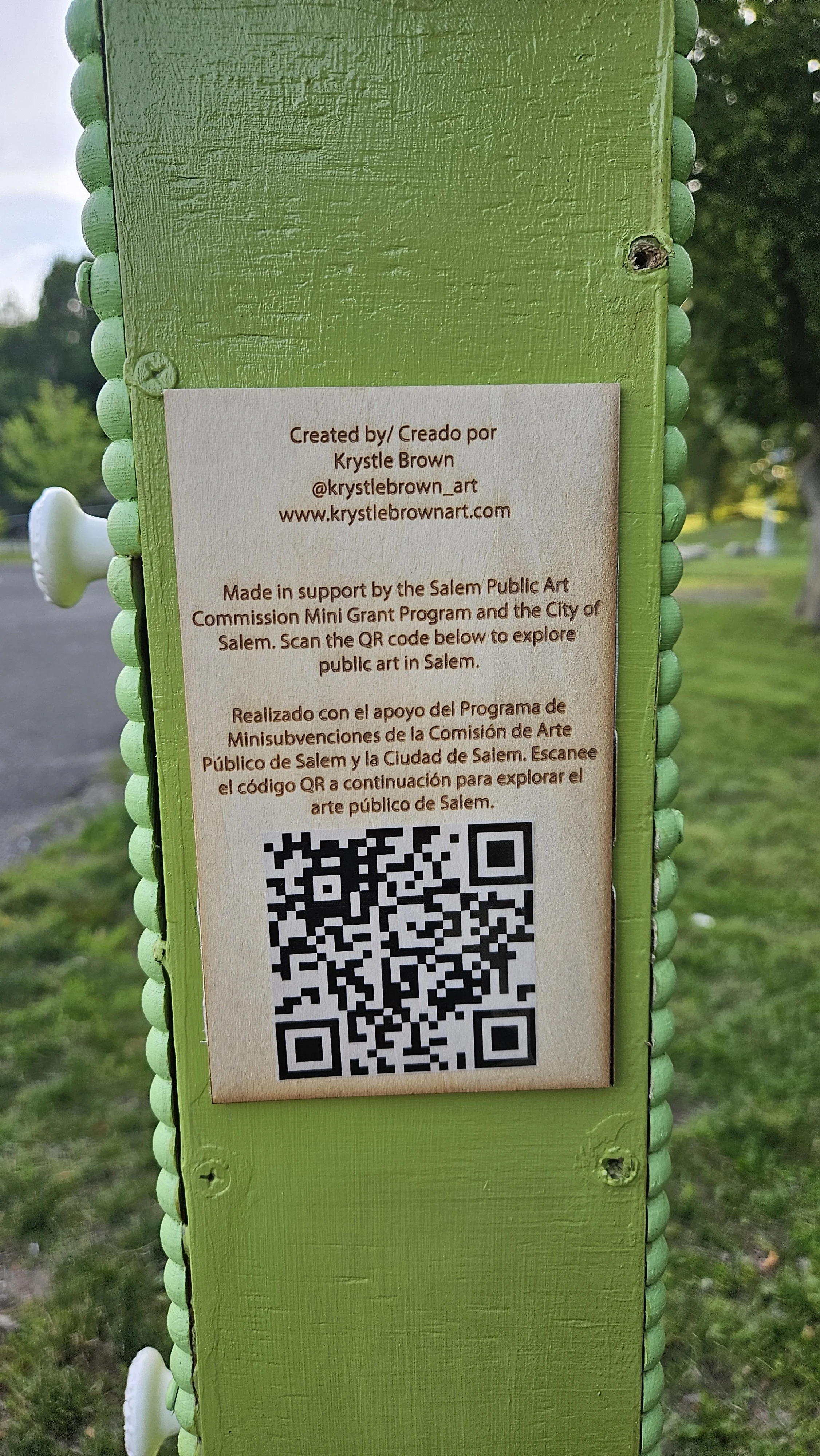
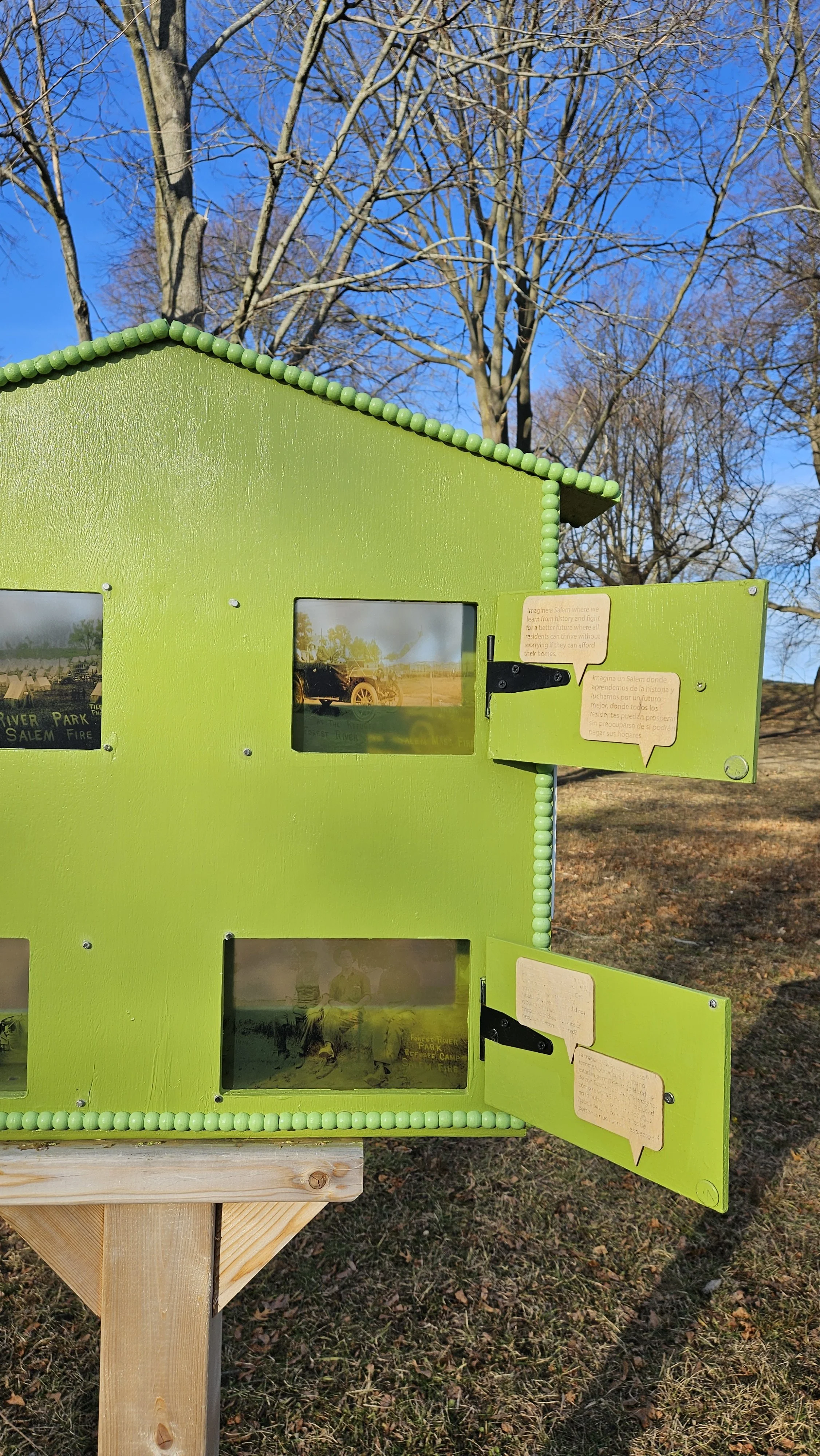
Visit the work at Forest River Park in Salem, right by the in/famous Cardboard Slide! Accessible parking near-by.
September 14, 2025 Forest River Park Block Party - On The House!
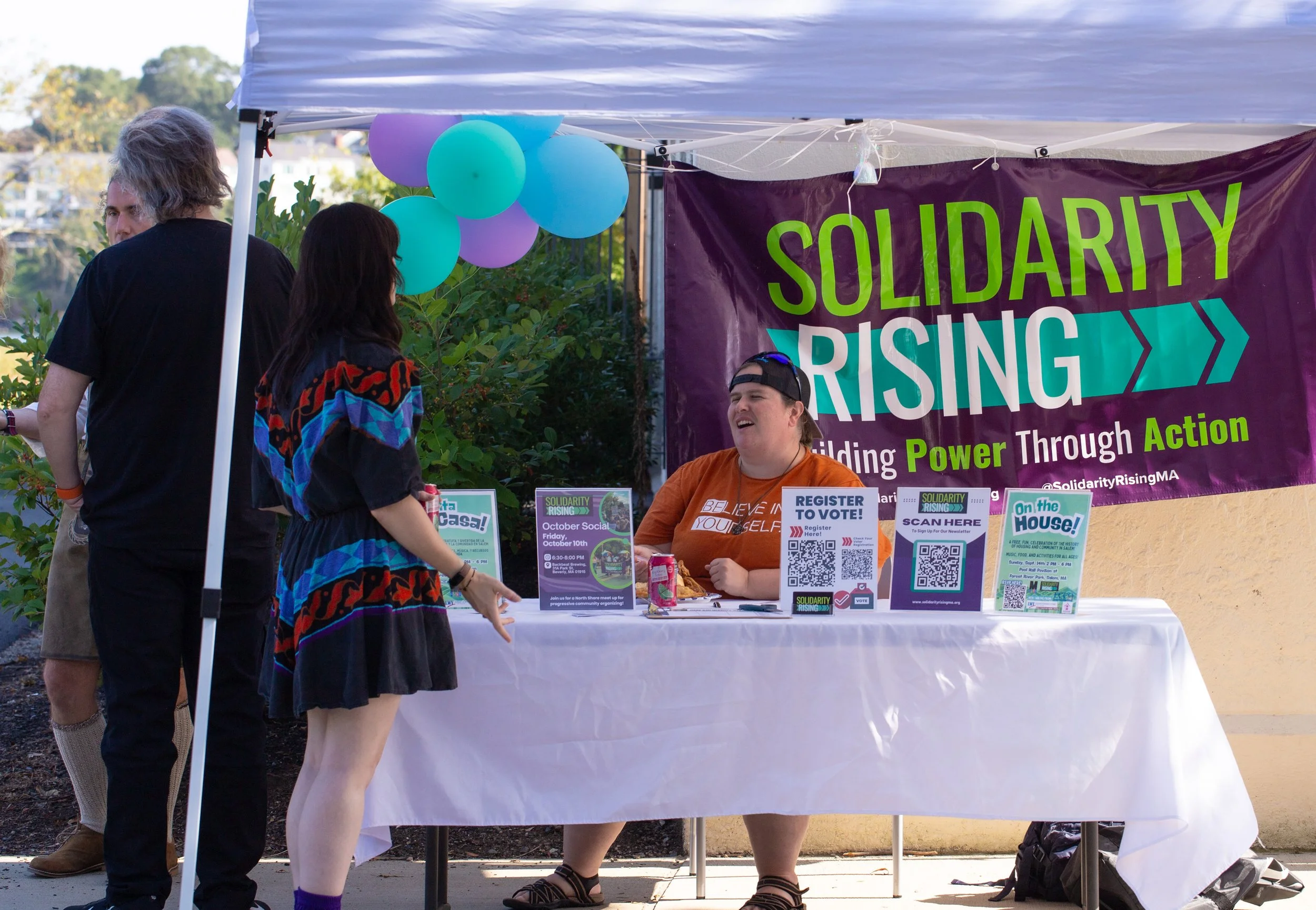
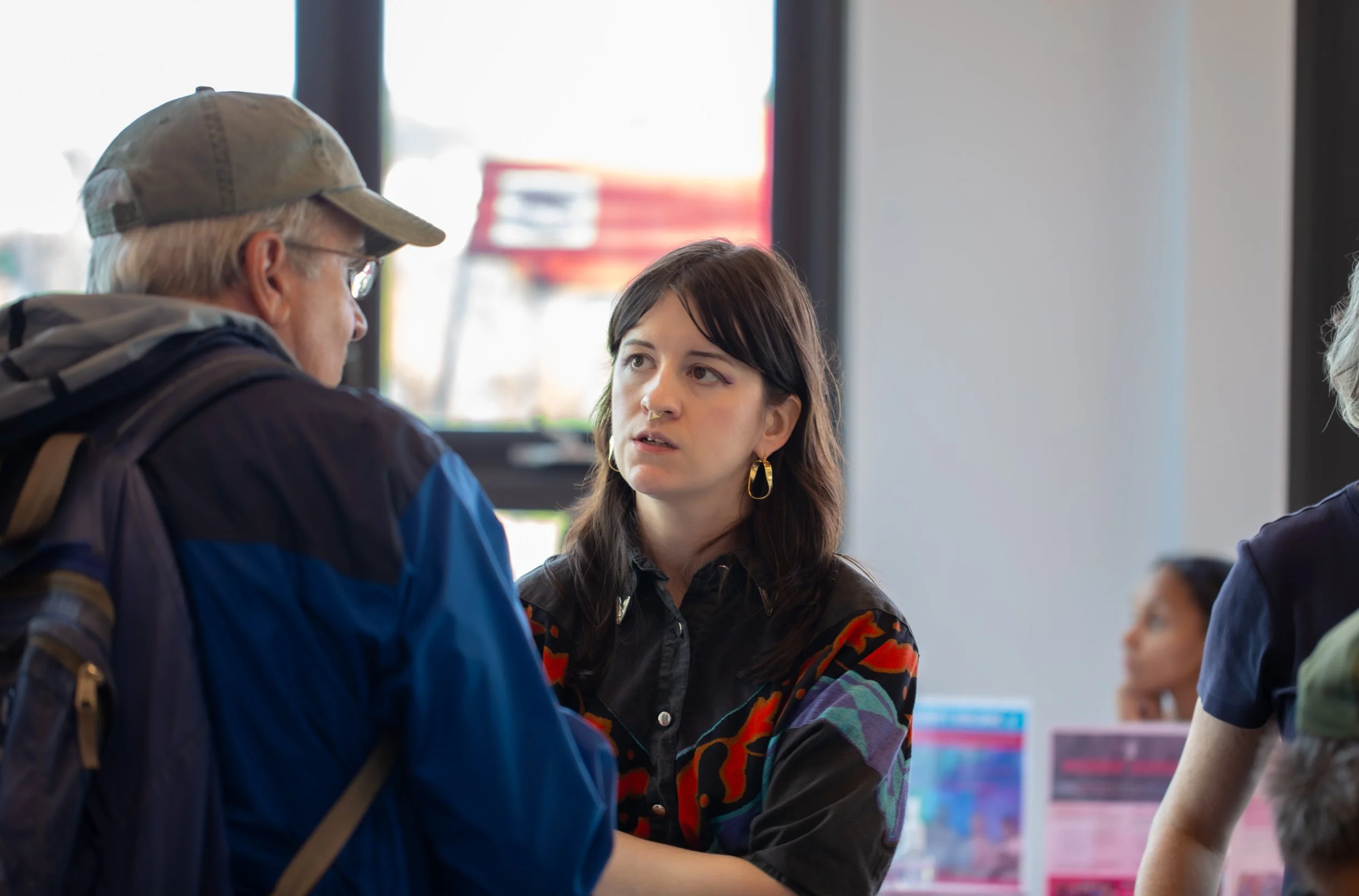
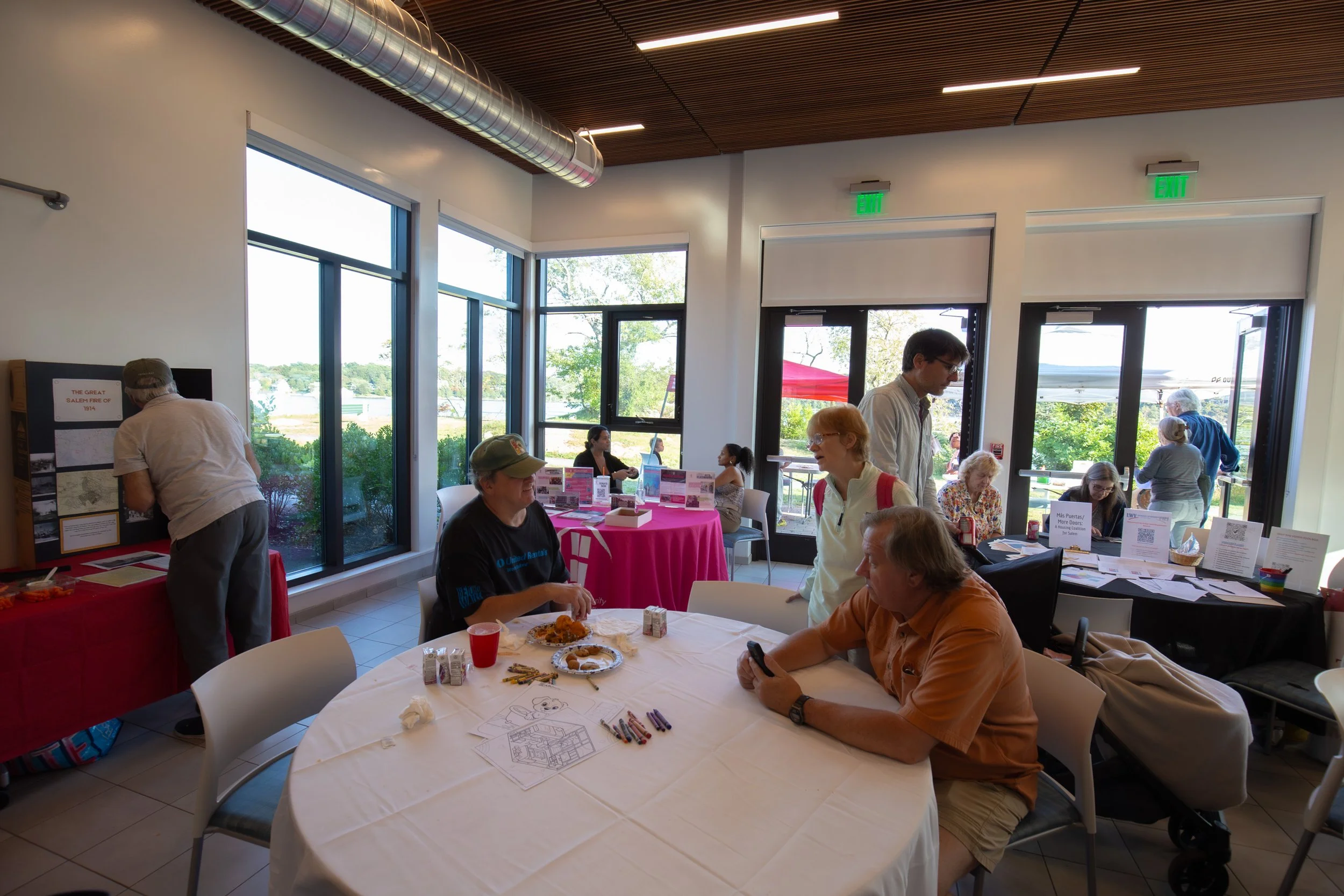
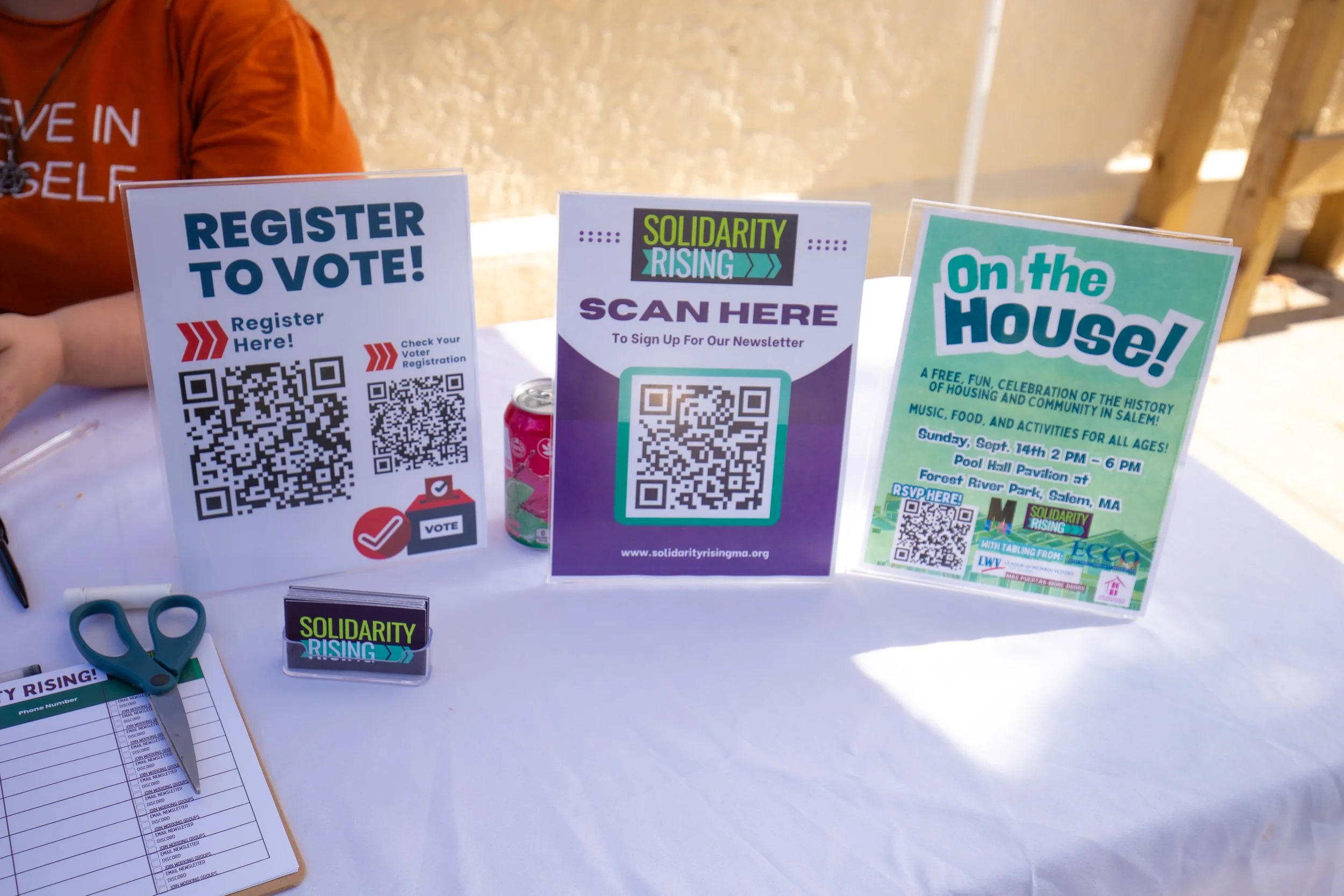
On the House was a free community celebration of Salem’s history of housing and community at Forest River Park, hosted by Solidarity Rising and Salem artist Krystle Brown. The event centered on What We Learned from the Fire, a public art project reflecting on the lasting impact of Salem’s 1914 Great Fire and its lessons for housing today, and featured local housing and voting resources from organizations including Solidarity Rising, North Shore CDC, and the League of Women Voters/Más Puertas. Attendees enjoyed live music, free snacks, and family-friendly activities while connecting with neighbors around art, history, and community.
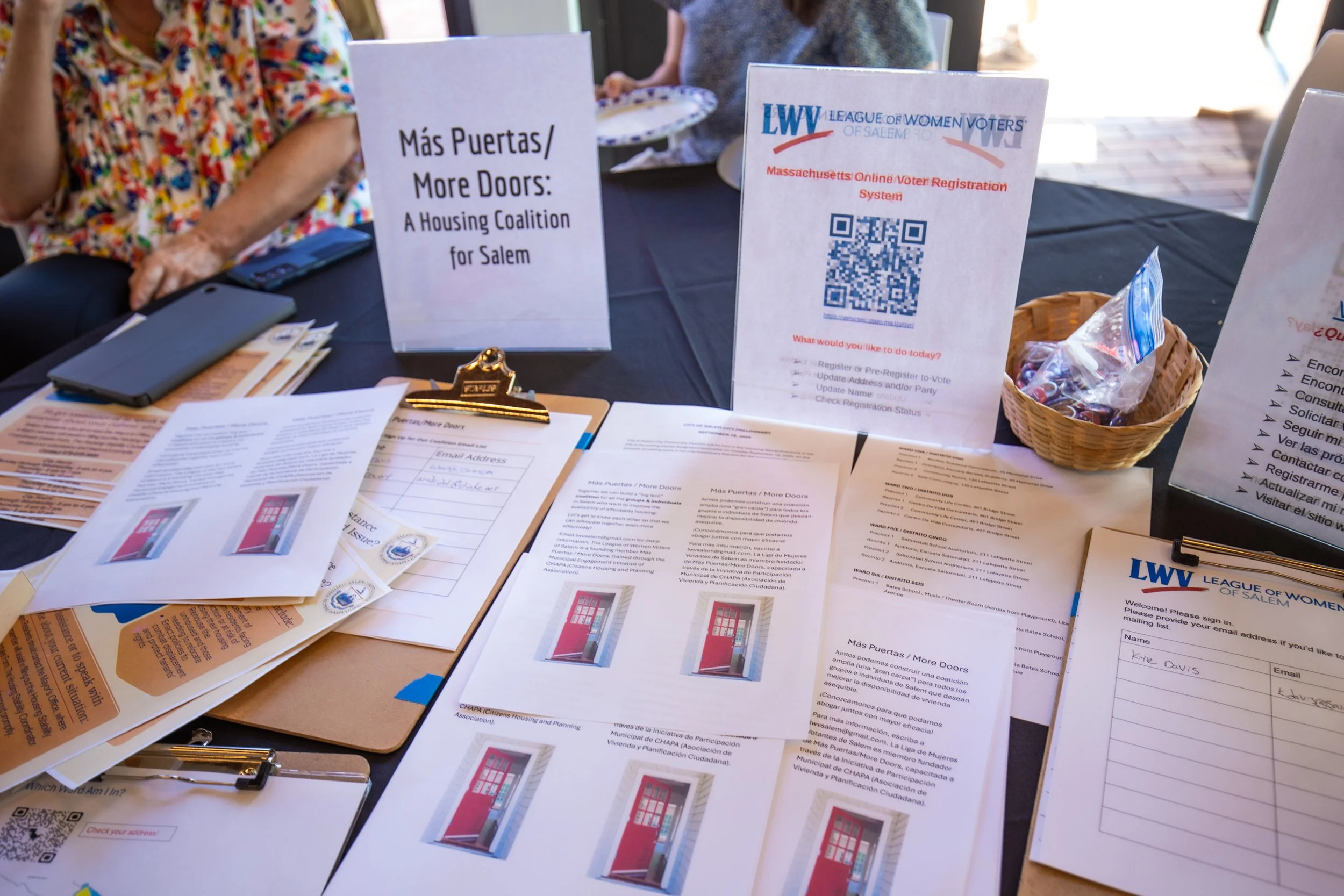
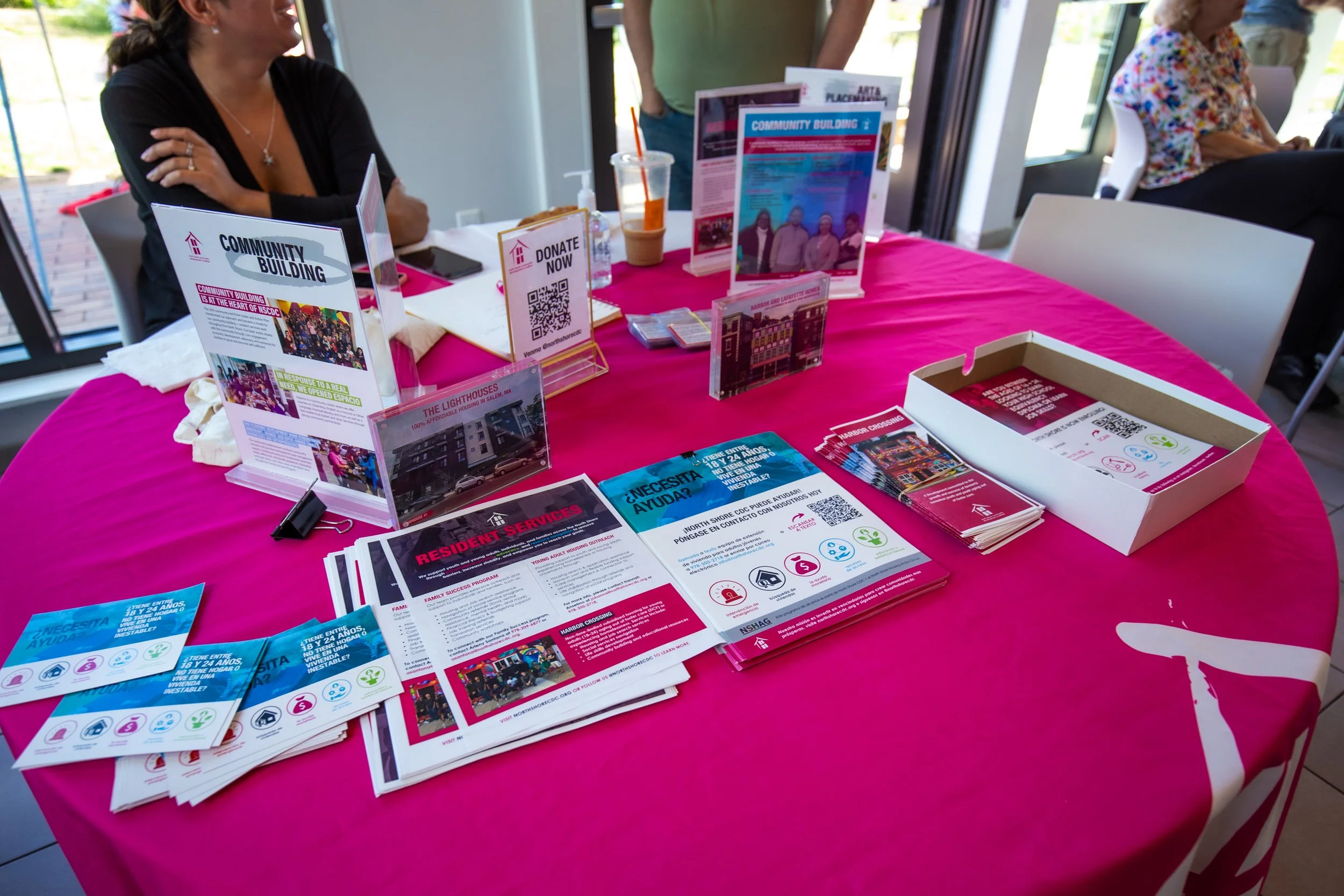
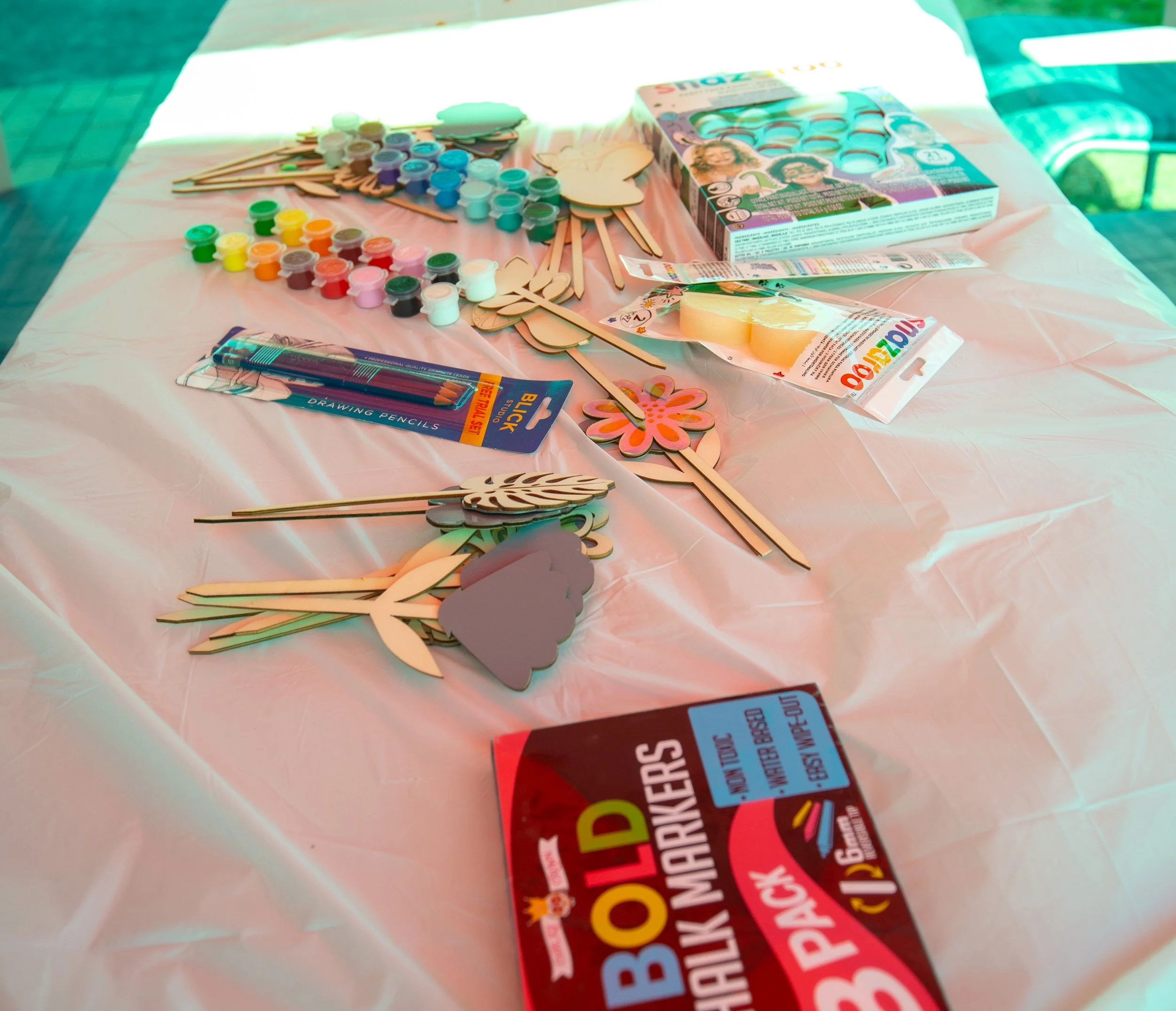
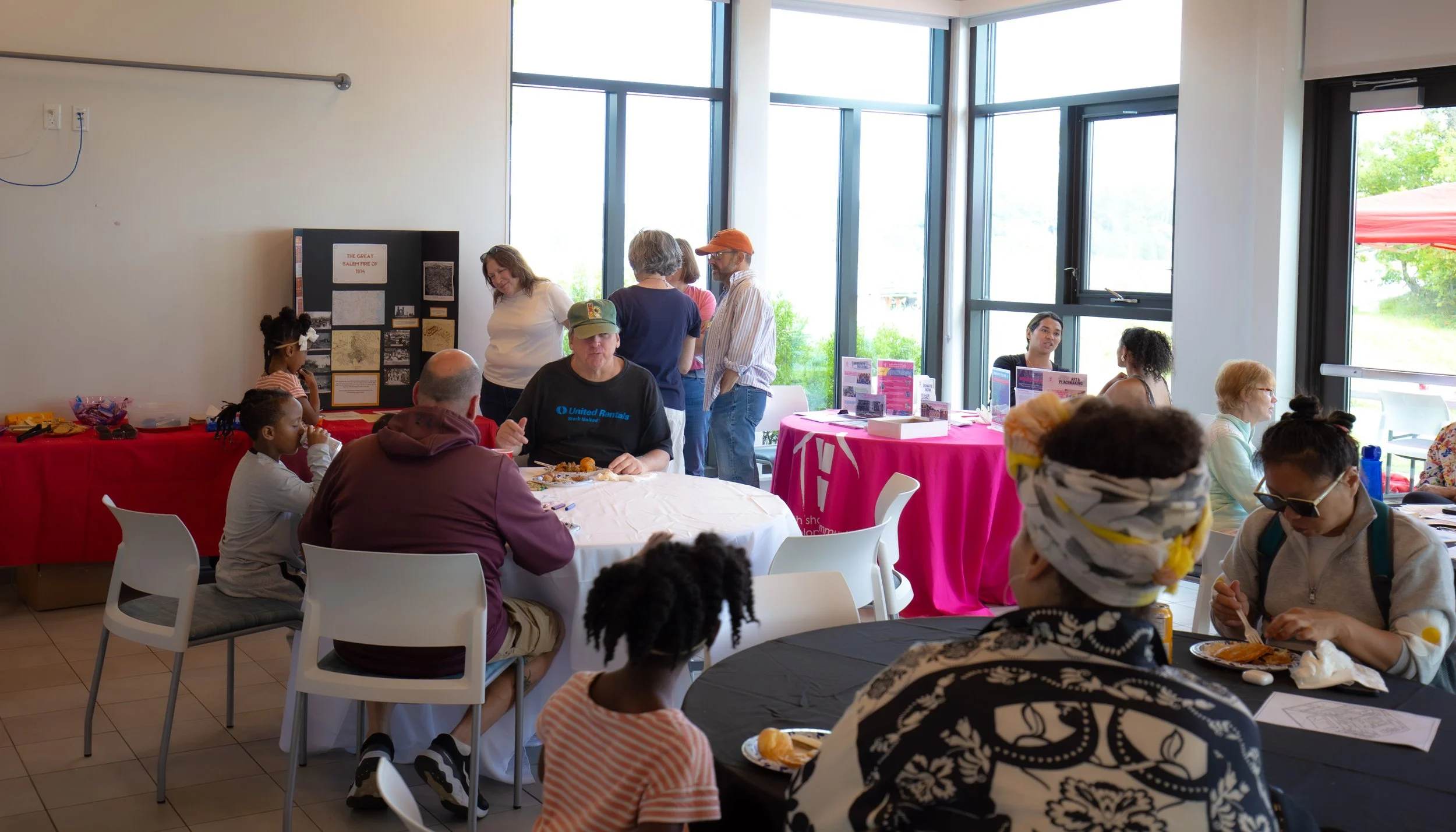
Photos by Adam Blake Vision
Important background information:
The housing crisis in Massachusetts has disproportionately affected a wide array of people of various and intersecting backgrounds, particularly the working class, immigrants, the disabled community, LGBTQIA, BIPOC, families, single parents, and unhoused people. Without stable and affordable housing, these marginalized communities will be the first to sustain the impacts of the housing crisis. This can result in people forgoing medications or food, living in abusive environments, being housed in unsanitary buildings, living in forced congregate living situations, and more. It can ultimately lead to homelessness. The number of people experiencing homelessness in Greater Boston rose by an estimated 67 percent between January 2023 and January 2024, which includes people who are sheltered and unsheltered. Much of this rise in homelessness is because there is a growing lack of housing to meet the rising demands in Massachusetts.
This crisis is not contained to those who are the most marginalized; it easily spreads to communities and families holding various layers of privilege. One of the many issues with the housing crisis is a lack of new housing being built to meet demand. Thus, the issue trickles throughout the community. Once the most marginalized folks are affected, the middle and professional classes cannot compete with the rising costs of renting or owning a home due to less inventory. The lack of housing and housing affordability particularly impacts people within the creative fields. Creatives may be forced to forgo renting in a studio or rehearsal space, buying materials, or creating new work. I cannot afford to rent a studio space outside of my home, and I lack the space within my home to create a variety of works. This significantly impacts the type and quantity of work I can produce. Ultimately, the housing crisis can force creative individuals into jobs that do not support their life’s work and potentially lead to the abandonment of their creative careers. I have seen this with multiple colleagues who gave up visual art because they had to ensure that they could afford their housing. Promoting housing affordability through the creation of new housing helps preserve strong communities in Massachusetts, enabling them to thrive economically and socially. This can protect people with marginalized identities, especially those who are at acute risk of becoming unhoused. It will also protect those in creative fields by ensuring they have a home in Massachusetts and can contribute economically and culturally.
In a 2021 study commissioned by former Governor Baker, Massachusetts was found to need between 125,000 and 200,000 additional housing units to meet demand by 2030. In 2004, Chapter 40R was enacted, incentivizing municipalities to permit dense, mixed-income, primarily residential development with “smart growth” characteristics. Smart growth is a city planning approach that prioritizes sustainable development, mixed land uses, and mobility options to create dynamic and vibrant communities. The 40R statute requires districts to include “a high percentage of affordable housing units, to be located near transit stations, in areas of concentrated development such as existing city and town centers, and other highly suitable locations.”
In my hometown of Salem, recent trends show that fewer housing opportunities have been created compared to previous decades. Only 1,594 new units were constructed between 2000 and 2018, compared to 2,300 units between 1980 and 1999.
The City of Salem has been exploring various opportunities to increase the housing supply through state-sanctioned legislation, specifically via Chapter 40R/Smart Growth Overlay Districts. Unfortunately, many residents in Salem either do not support this legislation or are unaware of the positive impacts of Chapter 40R.
There are three proposed 40R Smart Growth Overlay Districts in Salem: Margin Street, High Street, and Endicott Street, which encompass Lifebridge (a shelter), Salem State University’s South Campus, and Shetland Park. In 2024, the City of Salem also passed an anti-camping ordinance banning camping on public property. This coincided with Lifebridge's application to expand its shelter capacity to accommodate unsheltered individuals living outdoors. Unfortunately, there has been vocal opposition to each of these proposed overlay districts, particularly to increasing capacity at Lifebridge, despite both the pressing need for more affordable housing and the strong desire to have unhoused residents off the streets.
Using public art as a tool for learning fosters a deeper understanding of systemic solutions to address the housing crisis, especially for people without prior background knowledge on the subject. Public art has the unique power to integrate arts and culture with pressing social issues in everyday life.