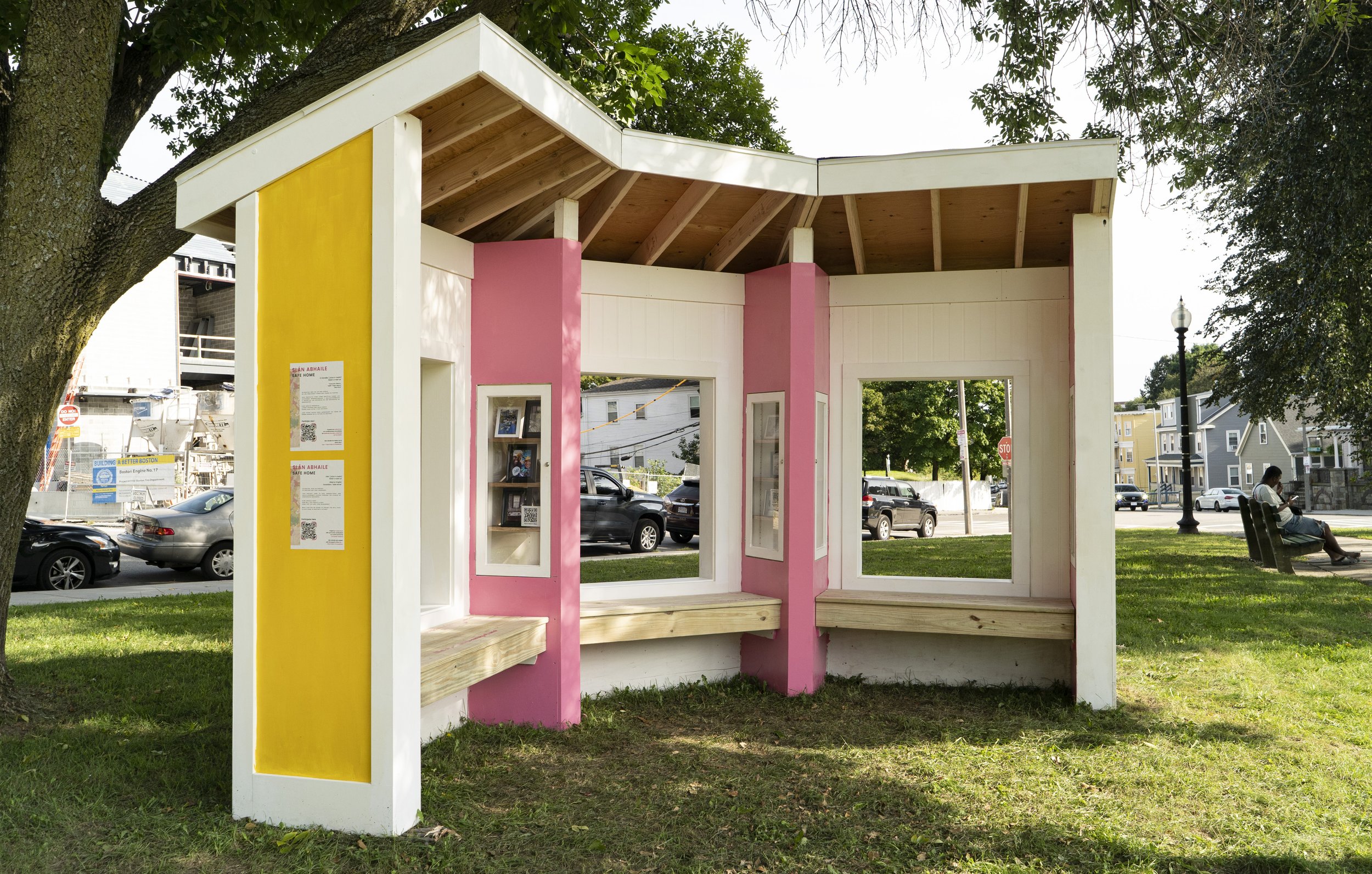
Slán Abhaile / Safe Home (2023-2024).
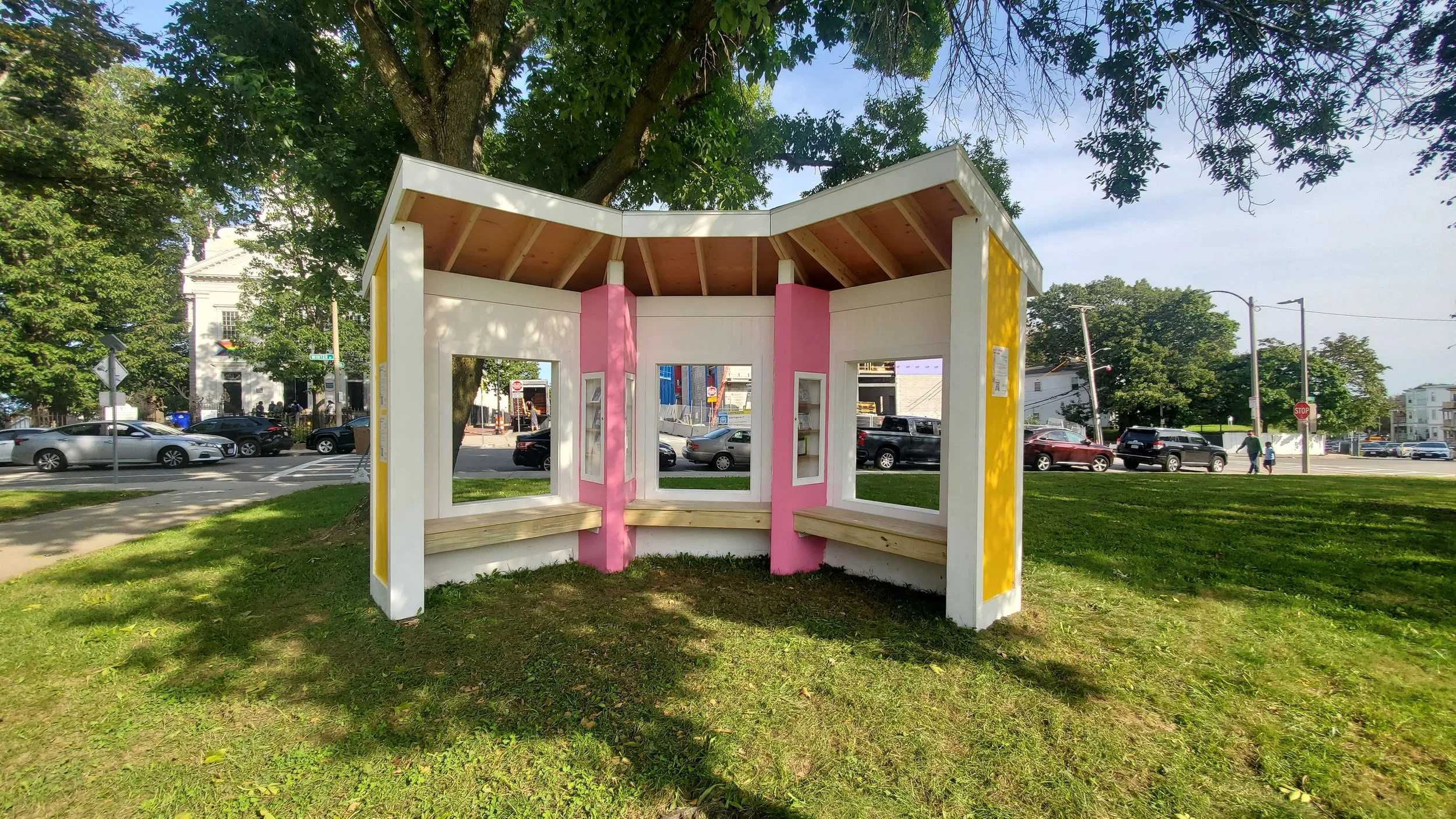
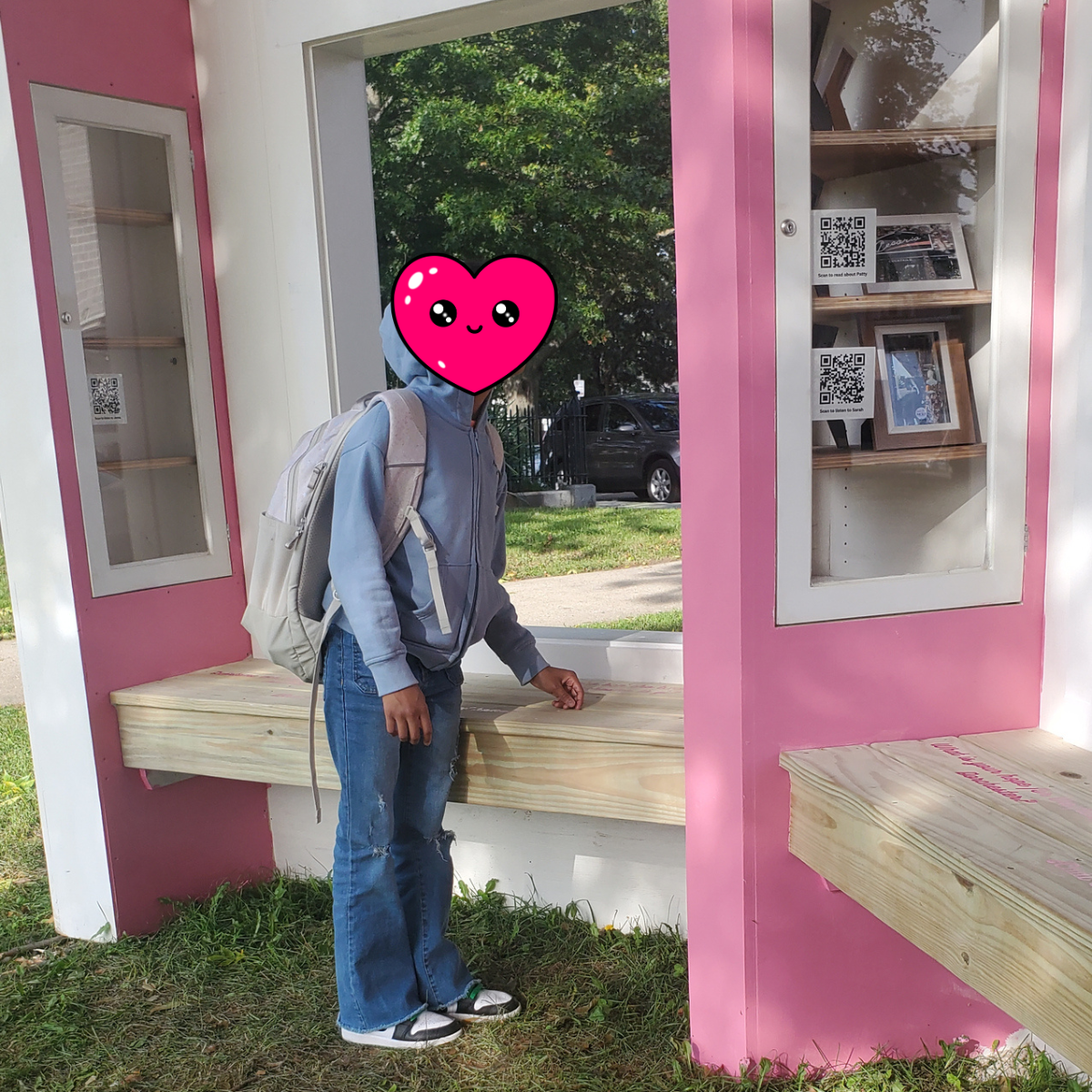
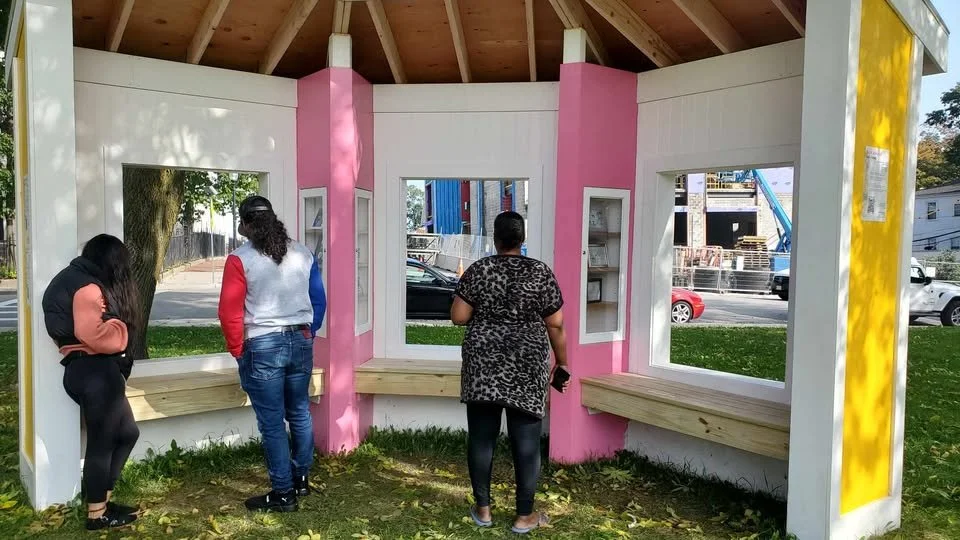
Pronounced slawn a-ball-ya in Irish, Slán Abhaile/Safe Home was a community-focused, memory-driven bench in Boston's Dorchester, focused on the ongoing housing crisis impact on working-class residents.
Inspired by benches and public infrastructure, the artwork was a repository where Dorchester neighbors can share collective memories of home through photography and oral storytelling
Created with the Now+There Accelerator Program (Boston Public Art Triennial) this project was in Meetinghouse Hill, Dorchester from September 2023 - September 2024.
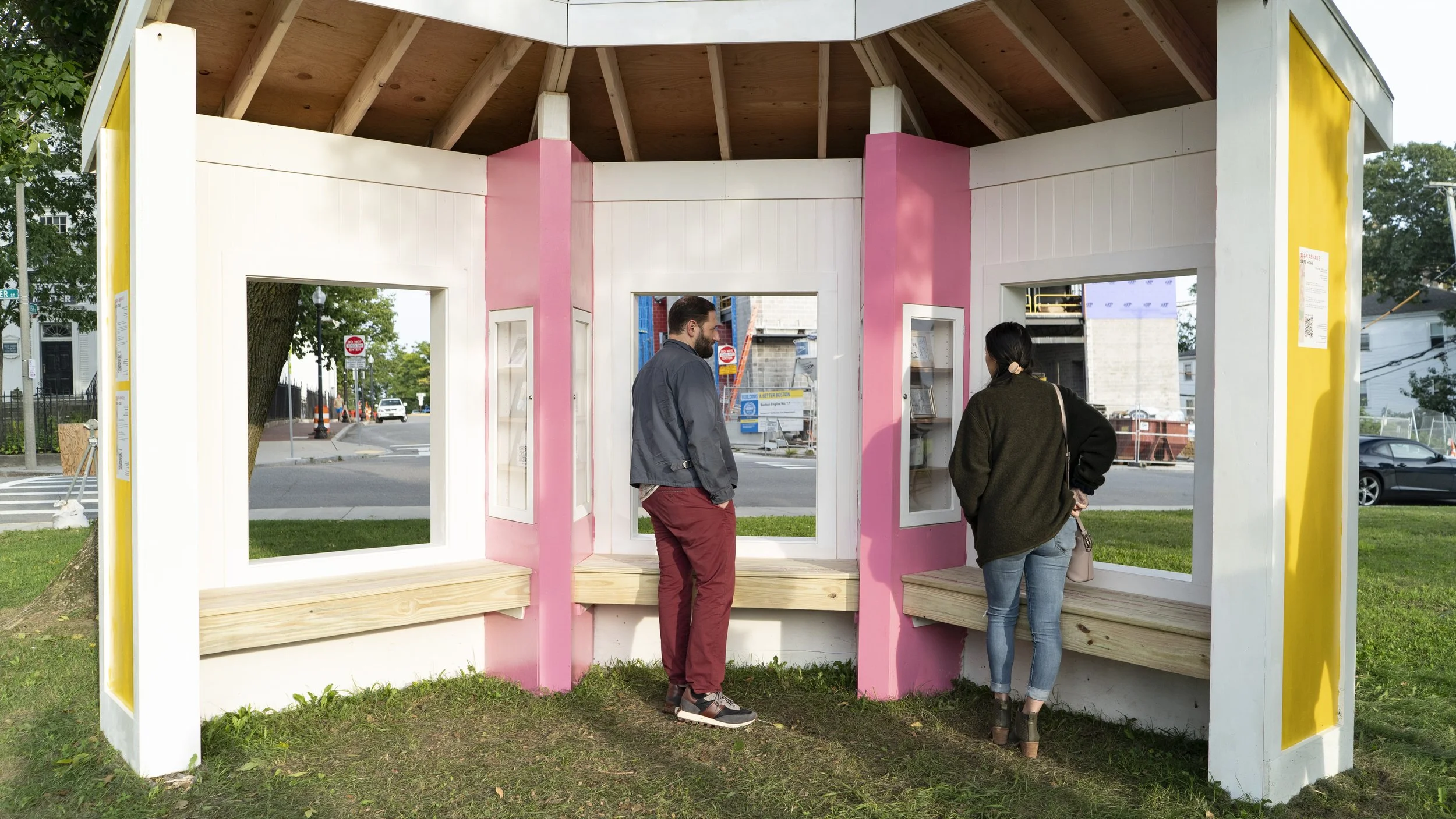
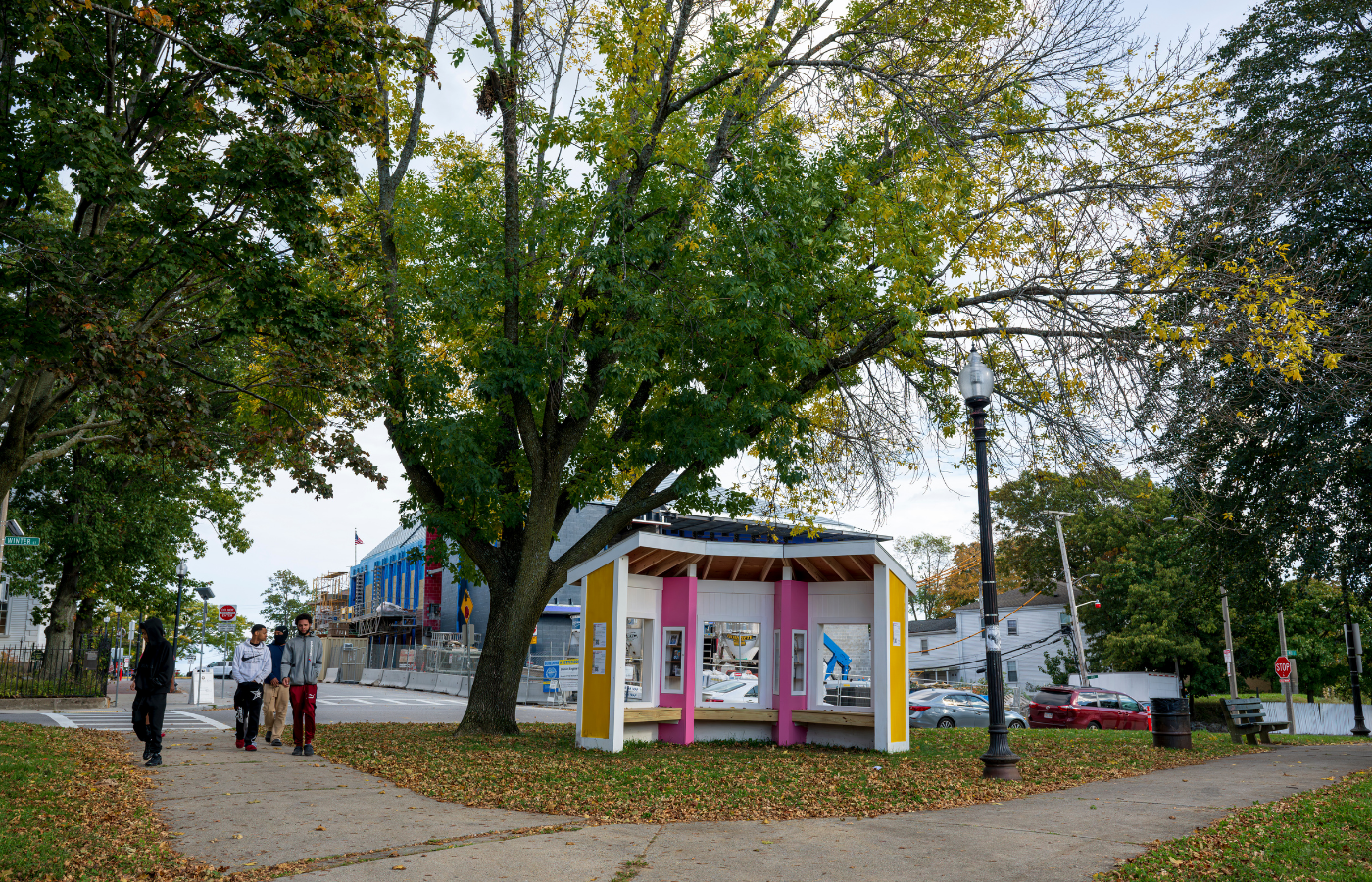
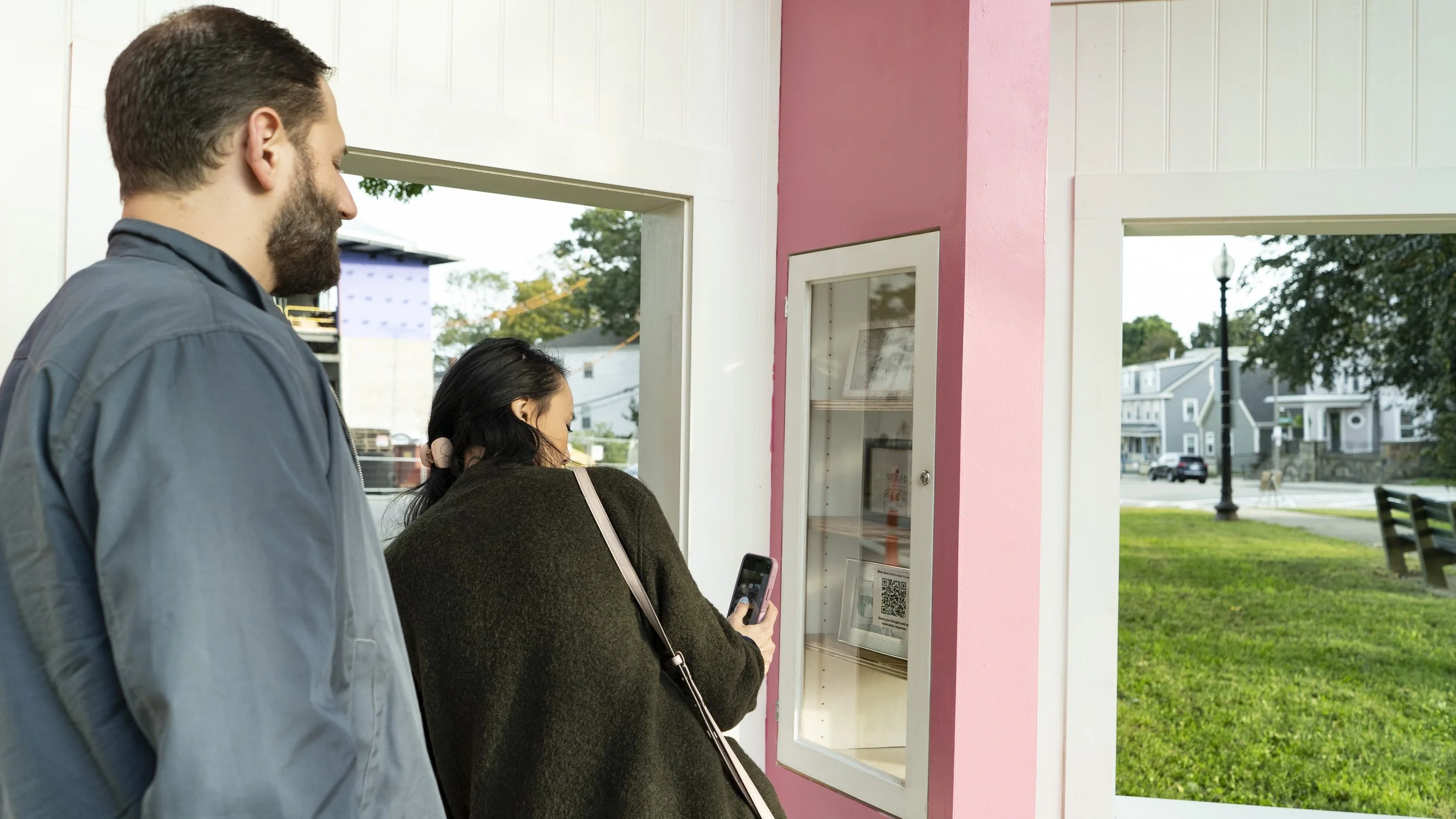
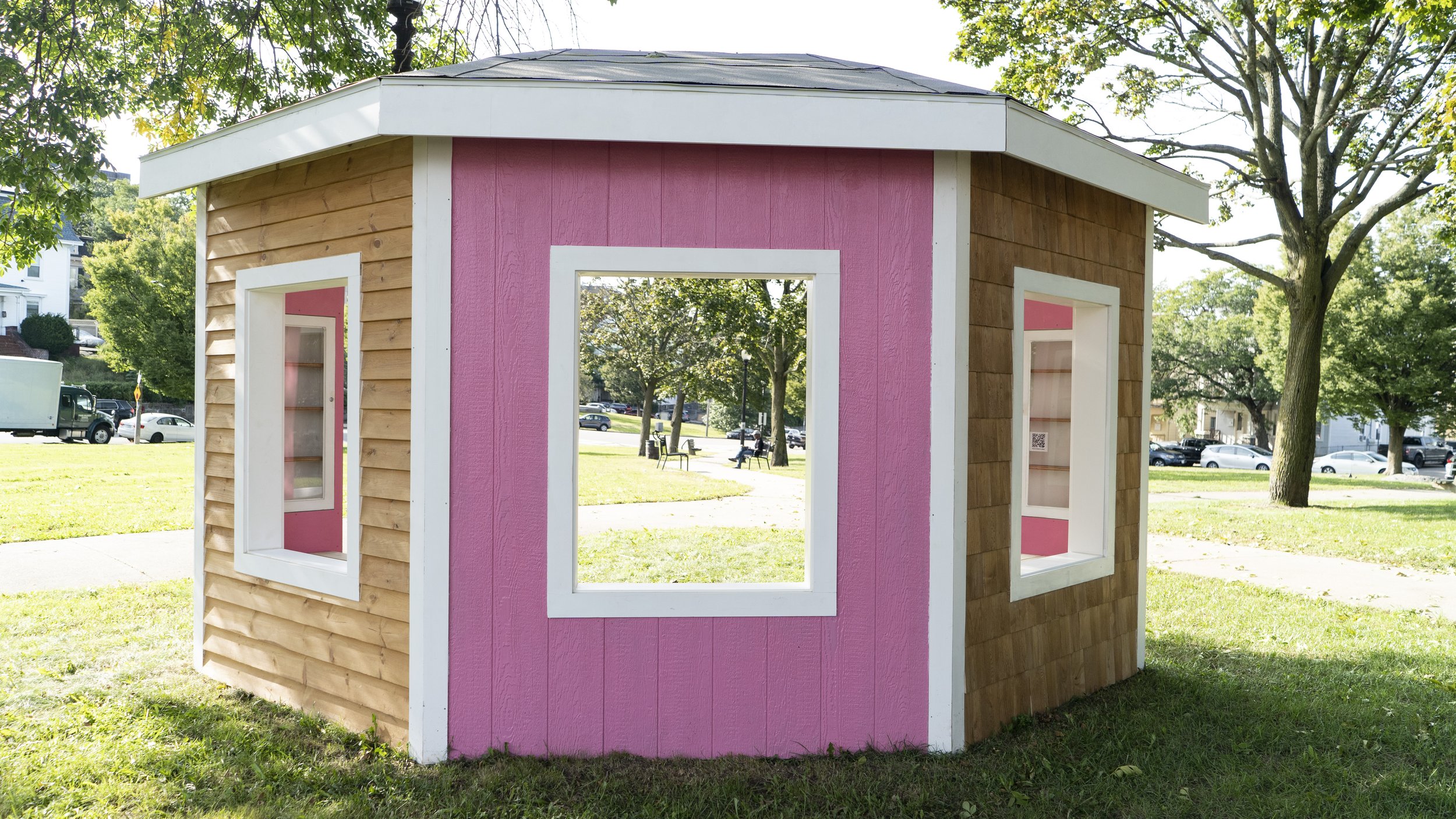
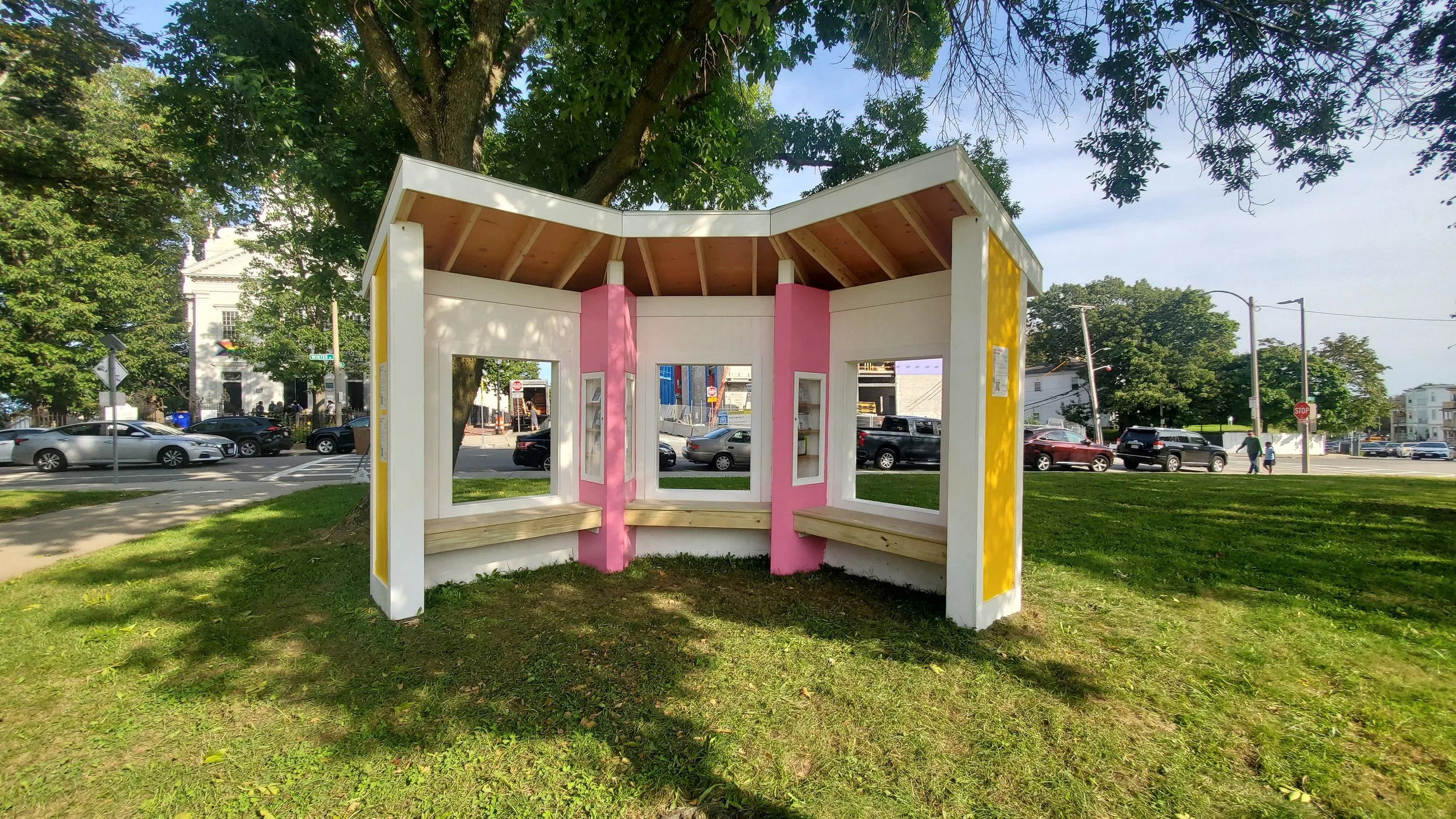
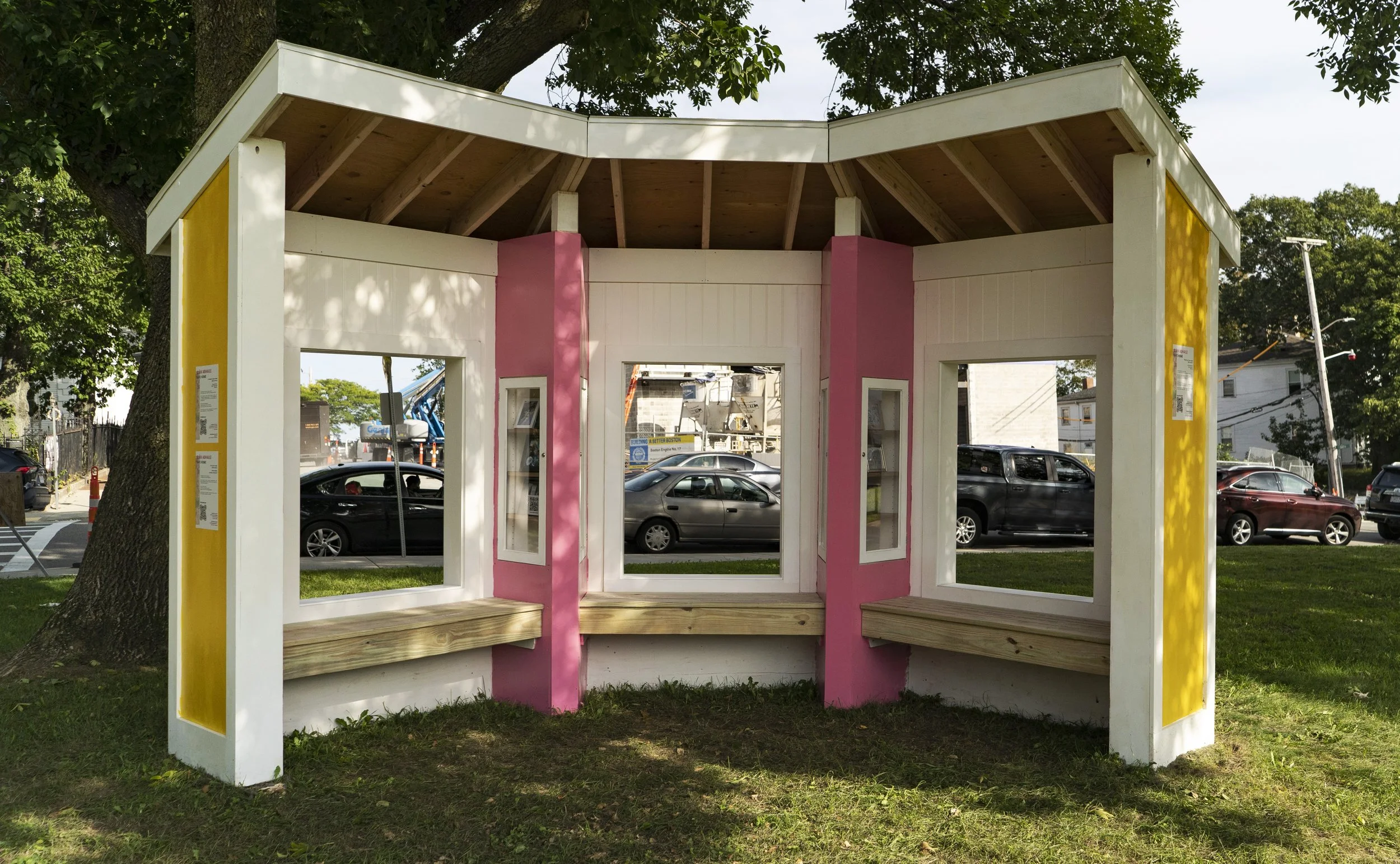
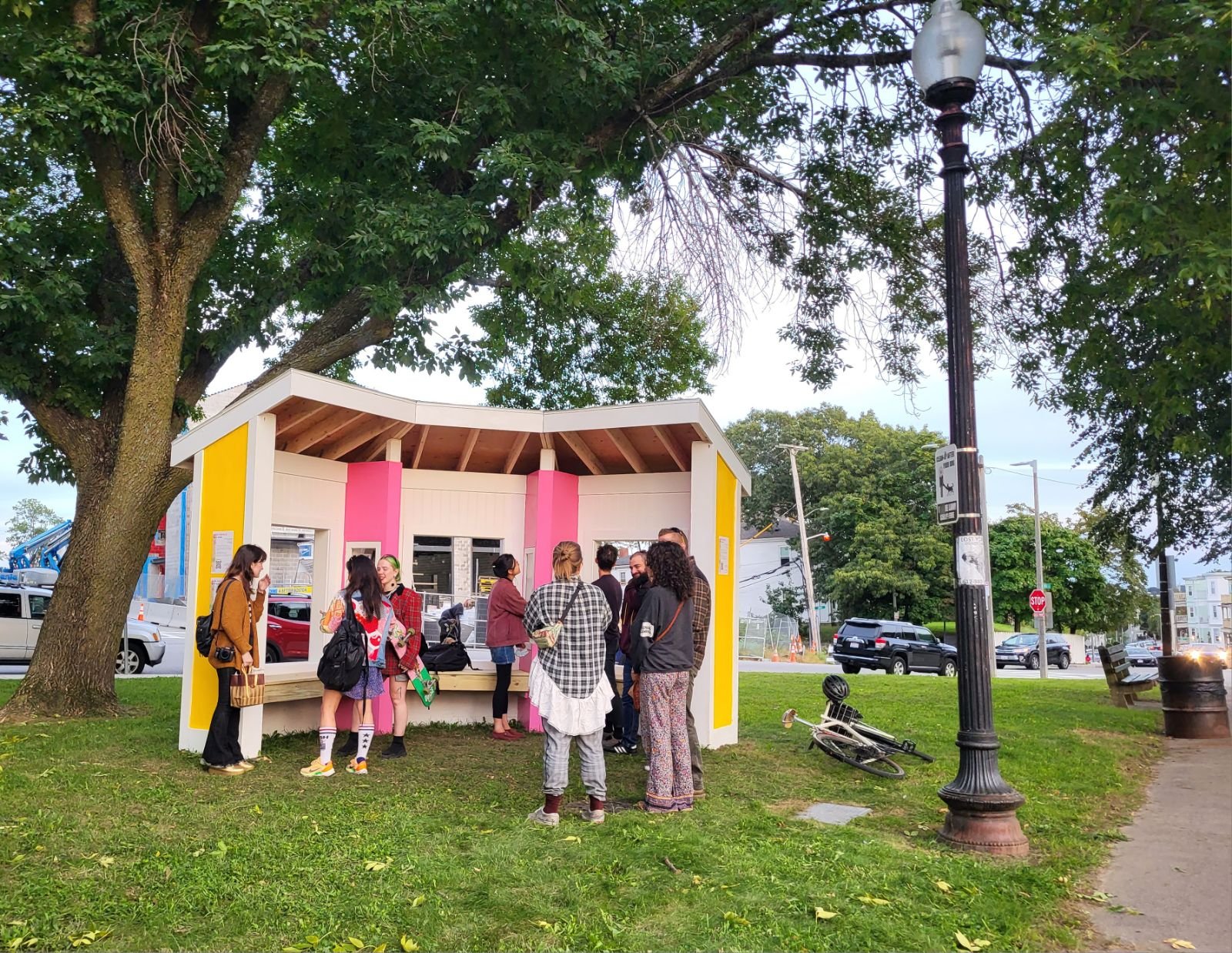
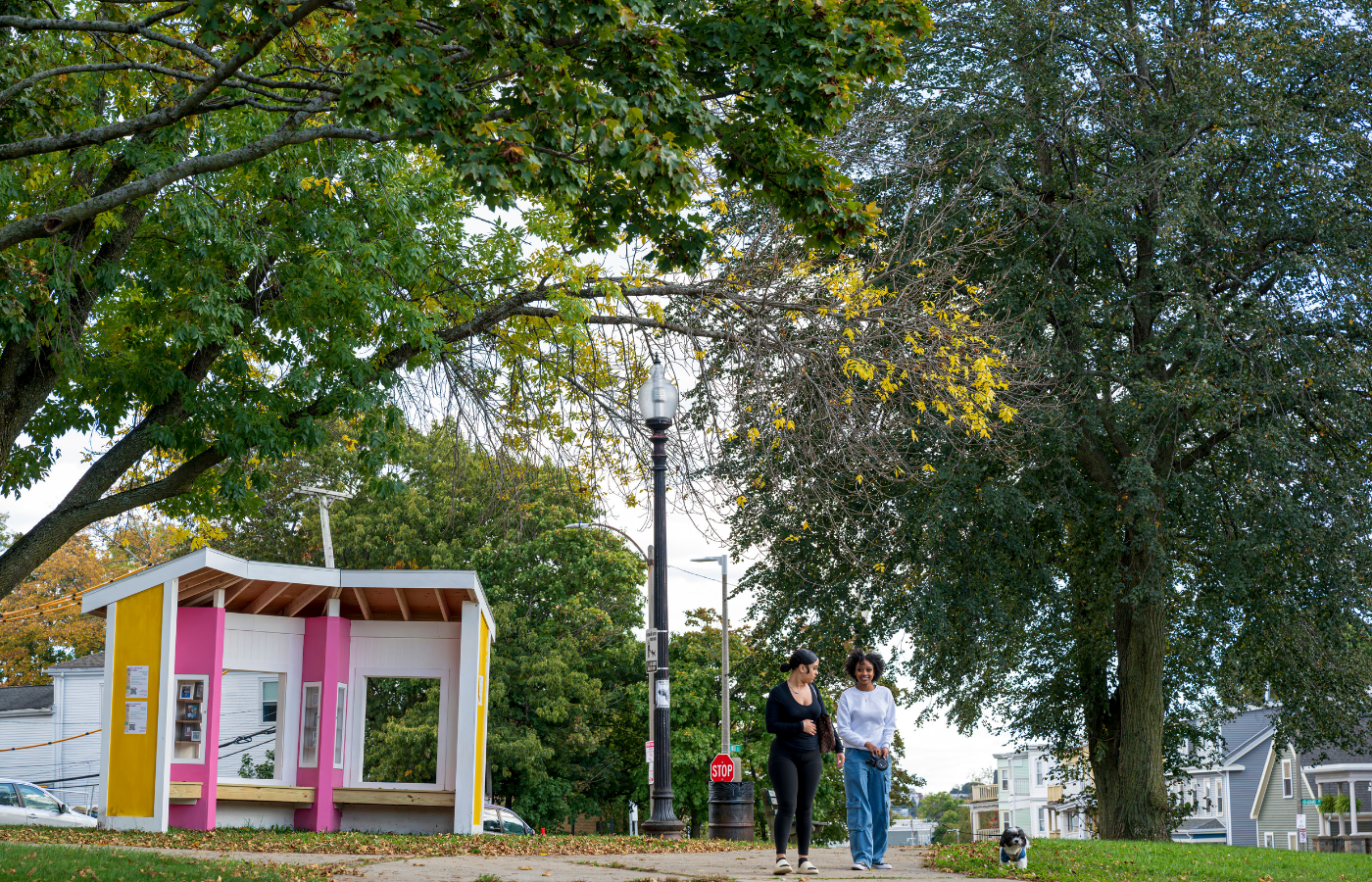
Use the left and right arrows to explore the project. Photos by Krystle Brown and Faith Ninivaggi.
Community Participants
Maria
Dorchester resident and community artist
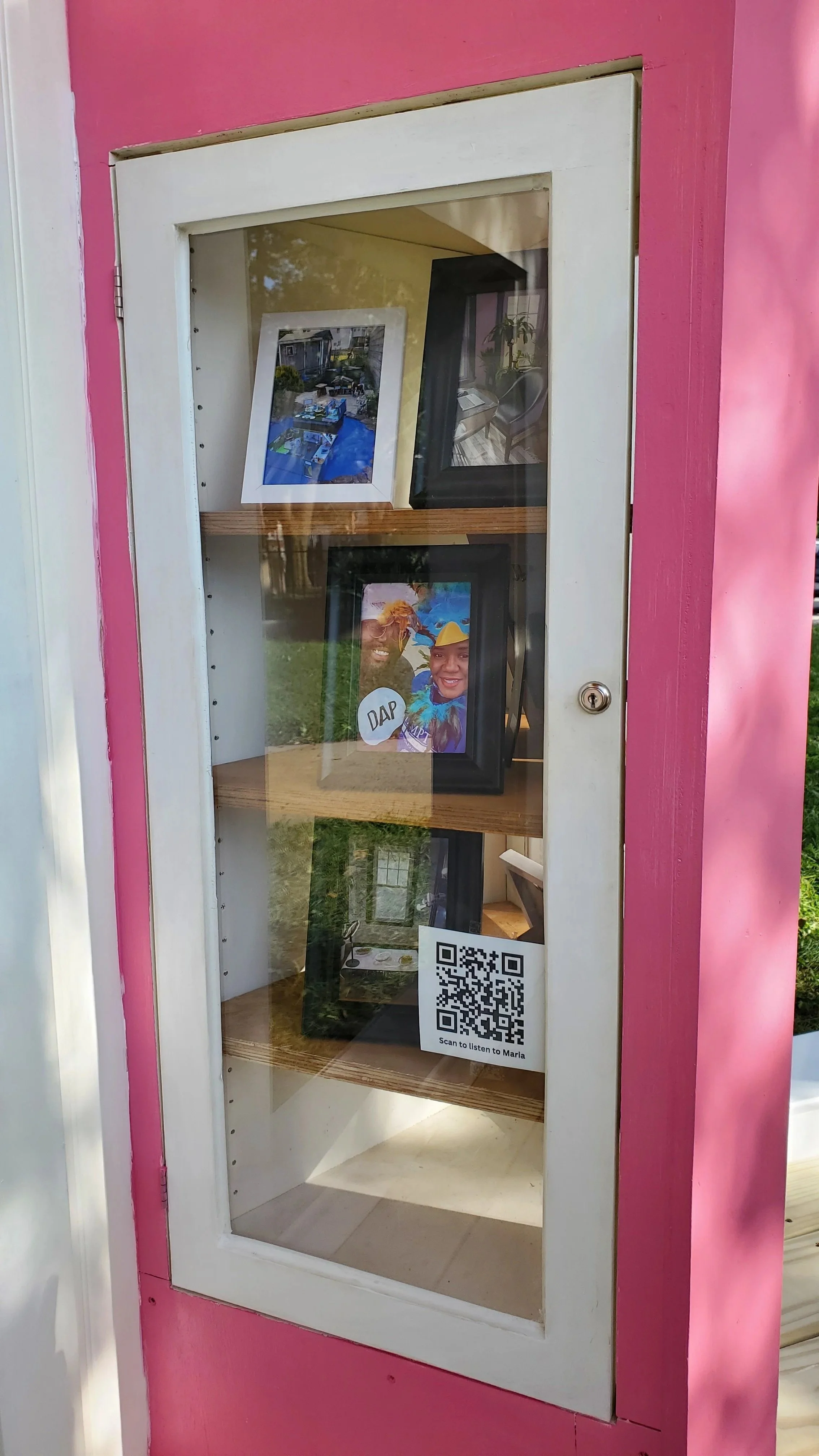
“It’s my everything. I live here, I work here, I play here. I create here. Everything happens here, so, is my home important to me? Of course, because it serves so many purposes for me.”
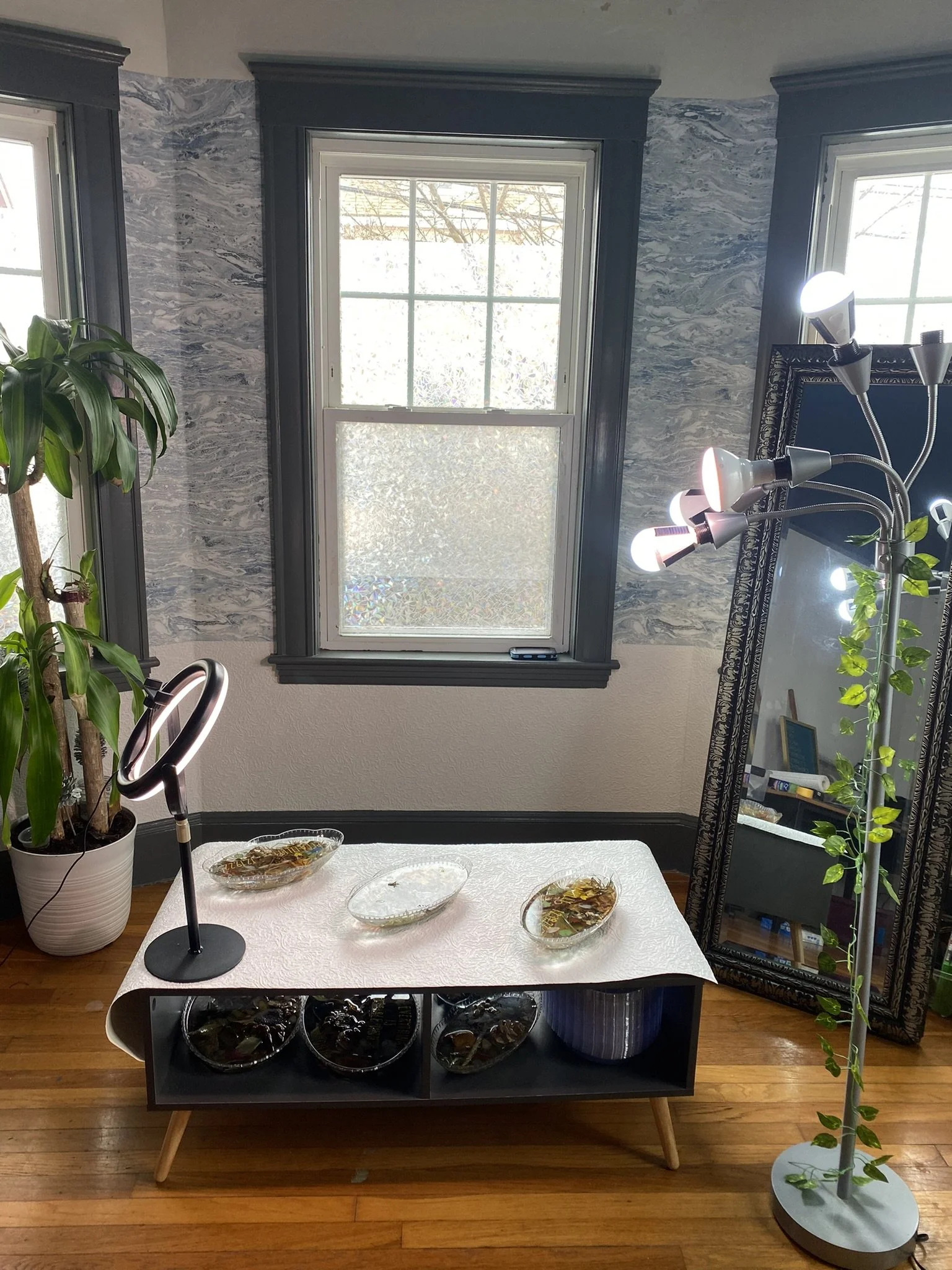
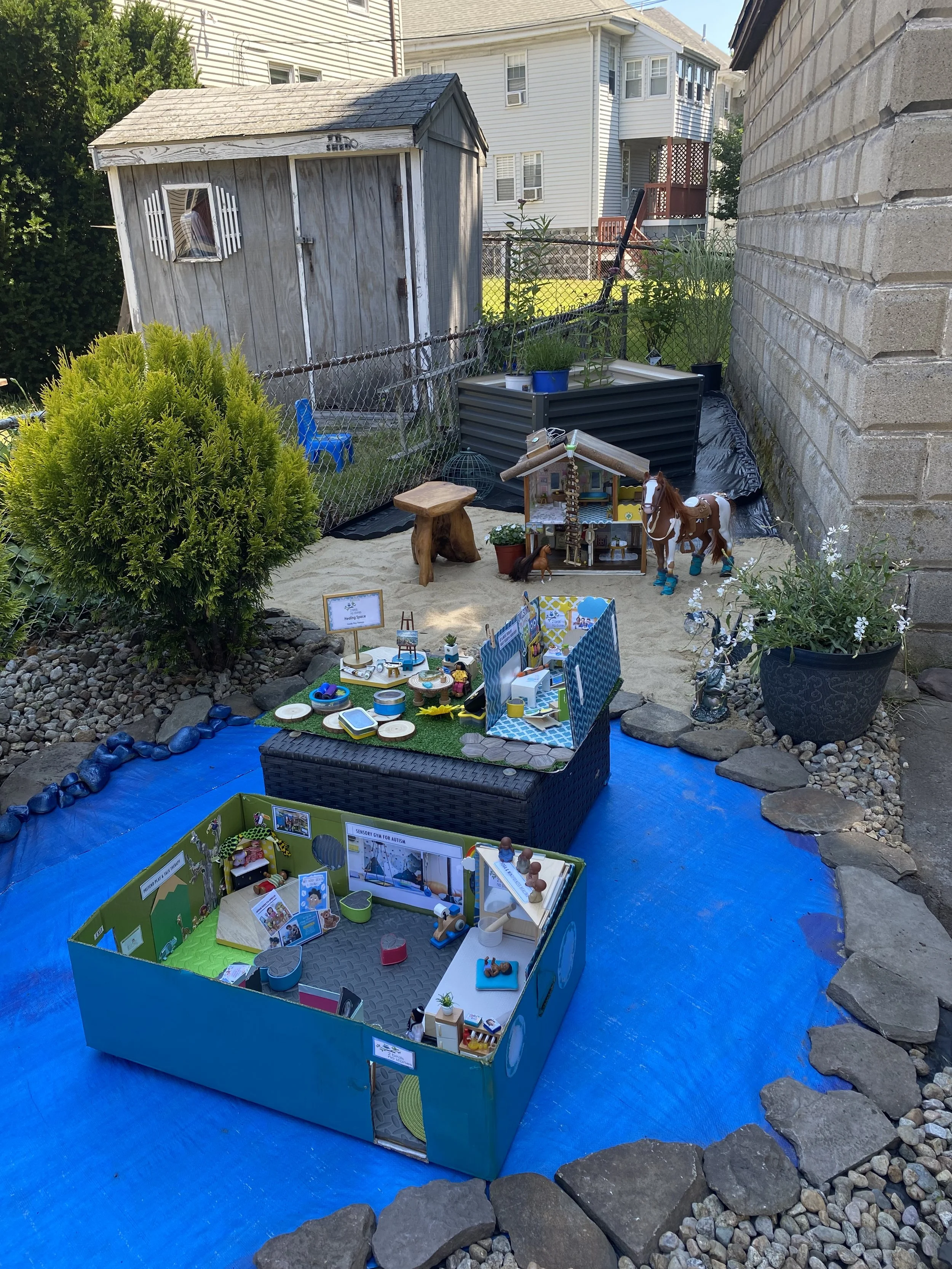
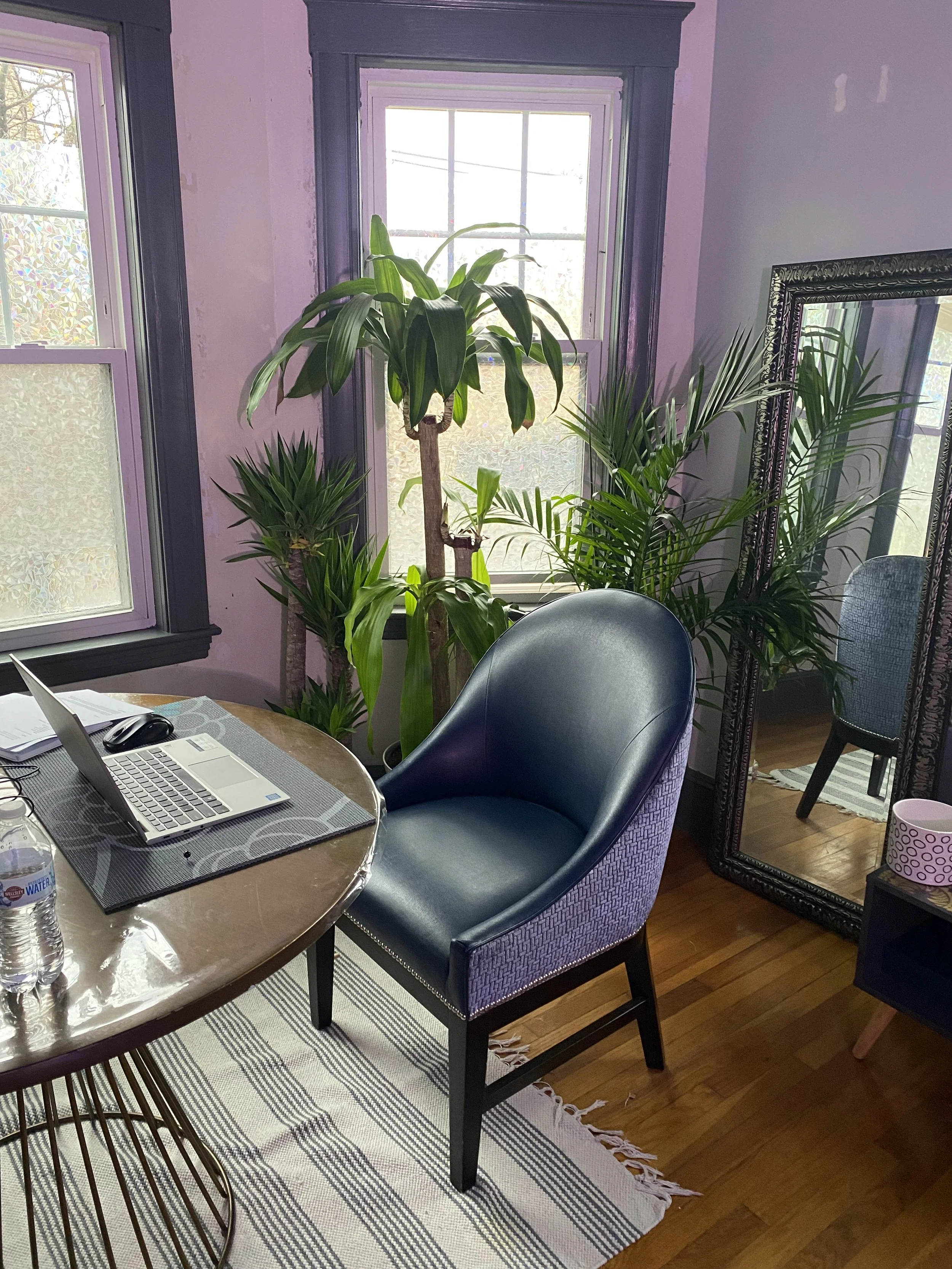
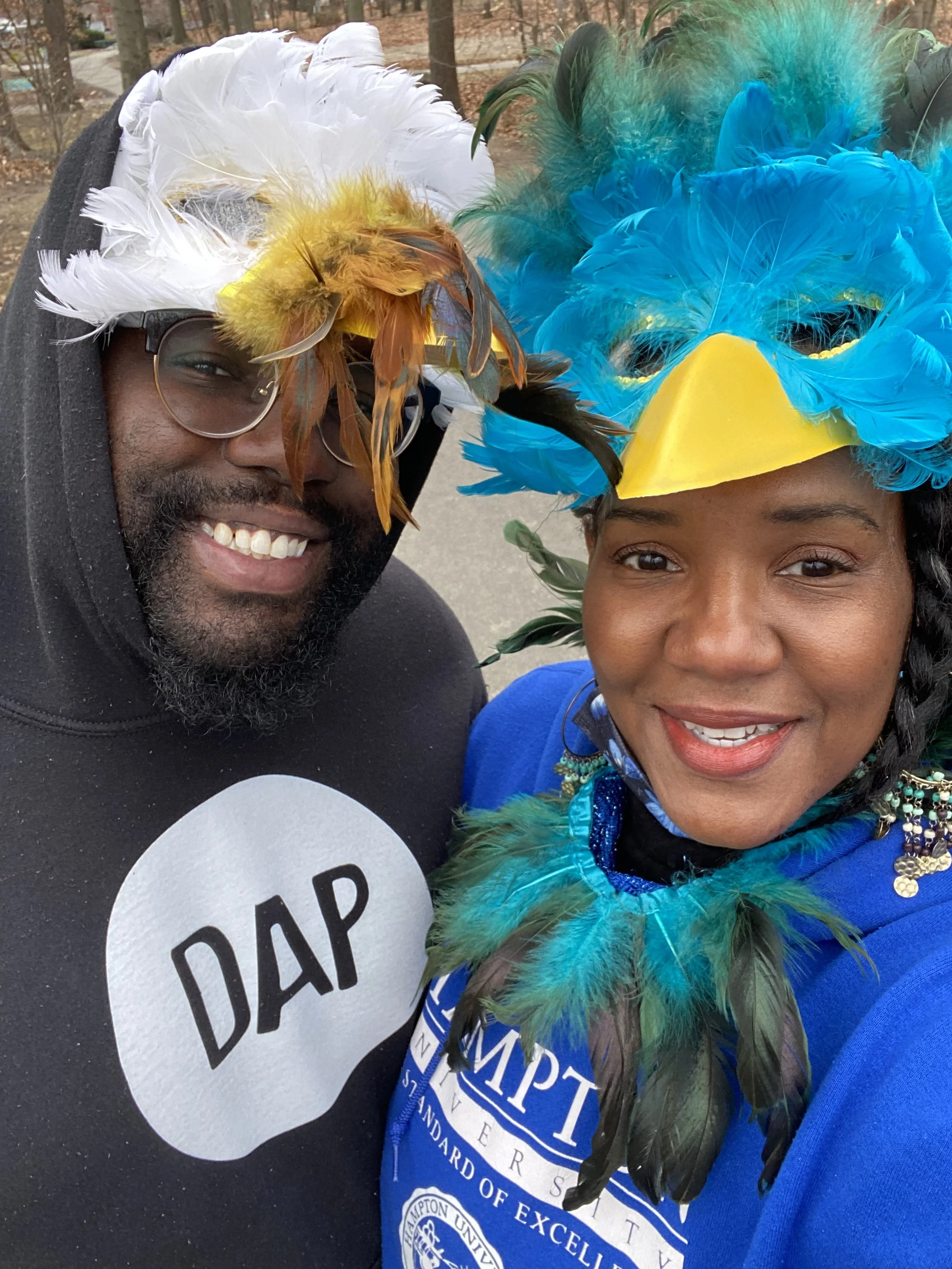
Photos by Maria McKnight of her in-home studio and family.
Patty
Former Dorchester resident and mother
“It is very expensive to live in Dorchester now. The rent is not worth the small apartment they are charging.”
Patty and I had a conversation through email. Here are the highlights of our talk:
K: How long did you live in Dorchester or are you still a current resident?
P: I lived in Dorchester off and on most of my life. I grew up in Roxbury but when I was a teenager I moved to Dorchester.
K: Why did you move?
P: I no longer live in Dorchester anymore because for a while it was my daughter and I and we had to move to get a bigger apartment. We are a family of three now.
K: What do you value about living in Dorchester? Is this a special place for you?
P: It was convenient for me because it was close to every town, stores, schools, and job I ever attended. Also the restaurants have really good food.
K: How has the community changed over time?
P: It is very expensive to live in Dorchester now. The rent is not worth the small apartment they are charging.
K: What are some things you would want to change about your neighborhood and why?
P: Certain parts of Dorchester are clean and certain parts are dirty. That’s an issue that should be fixed.
K: What is your hope for the future, for your children/grandchildren/neighbors of Dorchester?
P: [That] some parts of Dorchester will be safe and clean for the future generations.

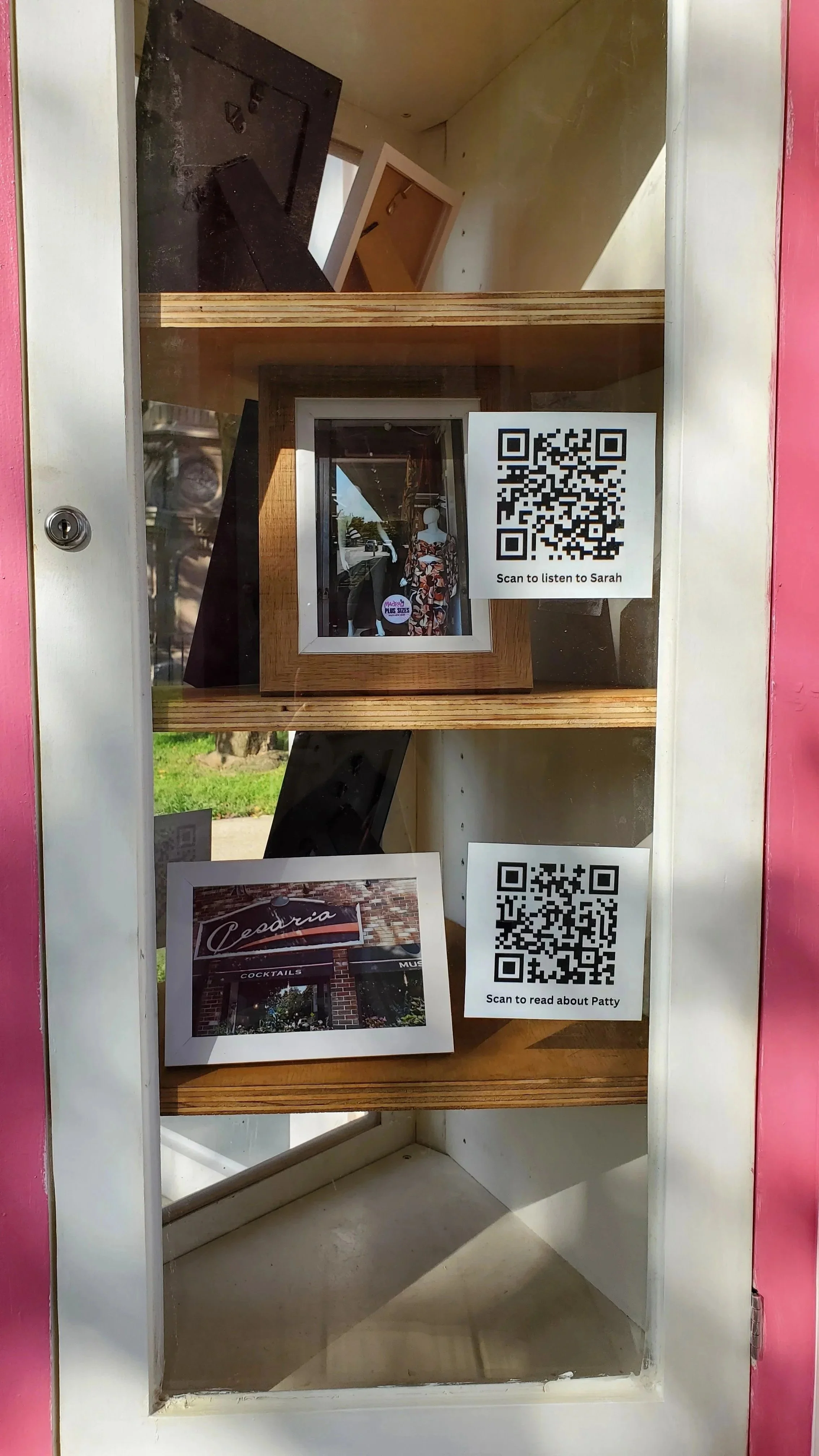
The image to the left is one of Patty’s favorite restaurants in Dorchester and a favorite memory of home. Cesaria is located at 266 Bowdoin St., Boston, MA 02122.
Photo by Krystle Brown
Sarah
Former Dorchester Resident and Mother
“It took almost ten years for me to find an apartment where I could afford to live in.”
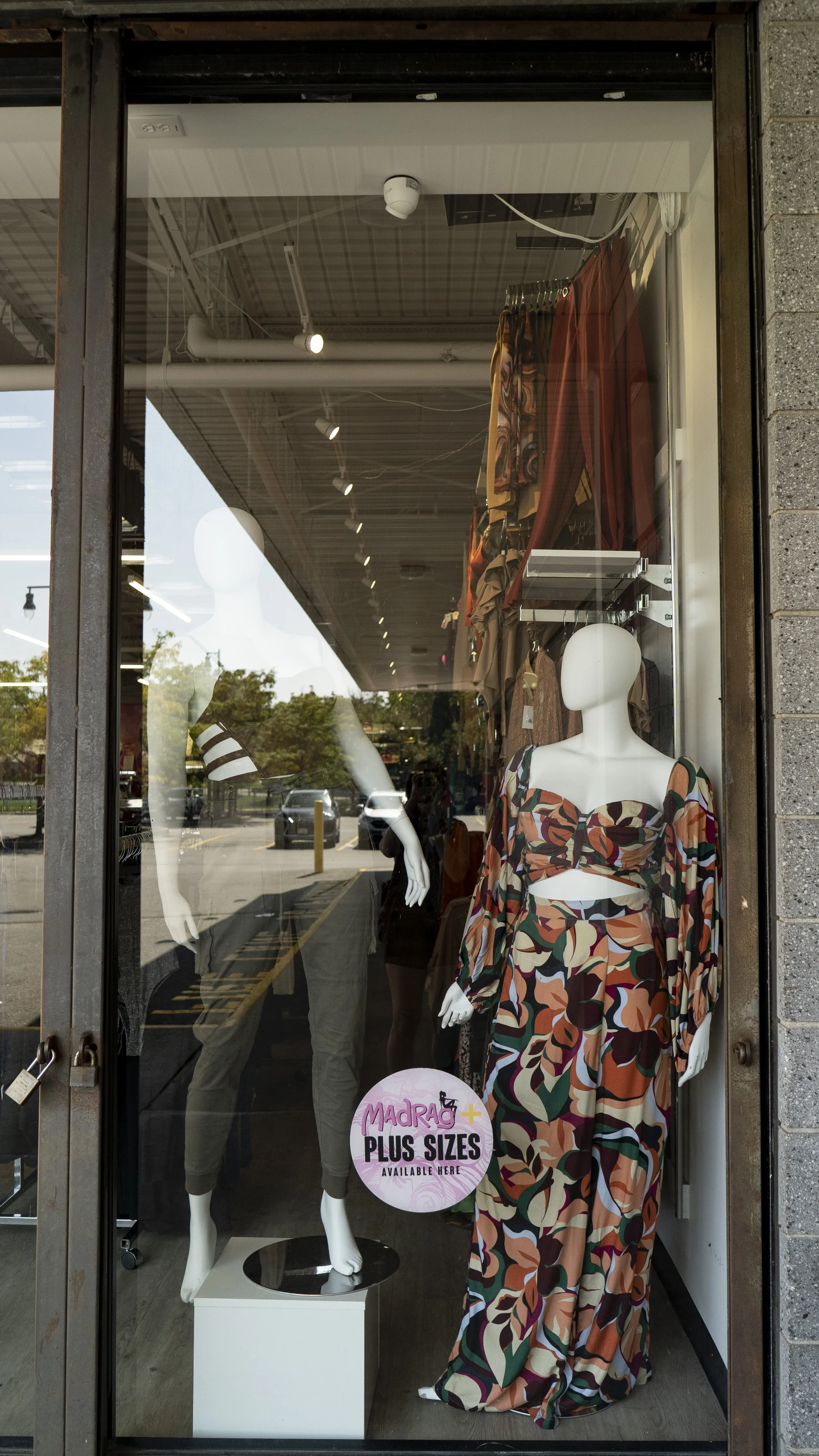
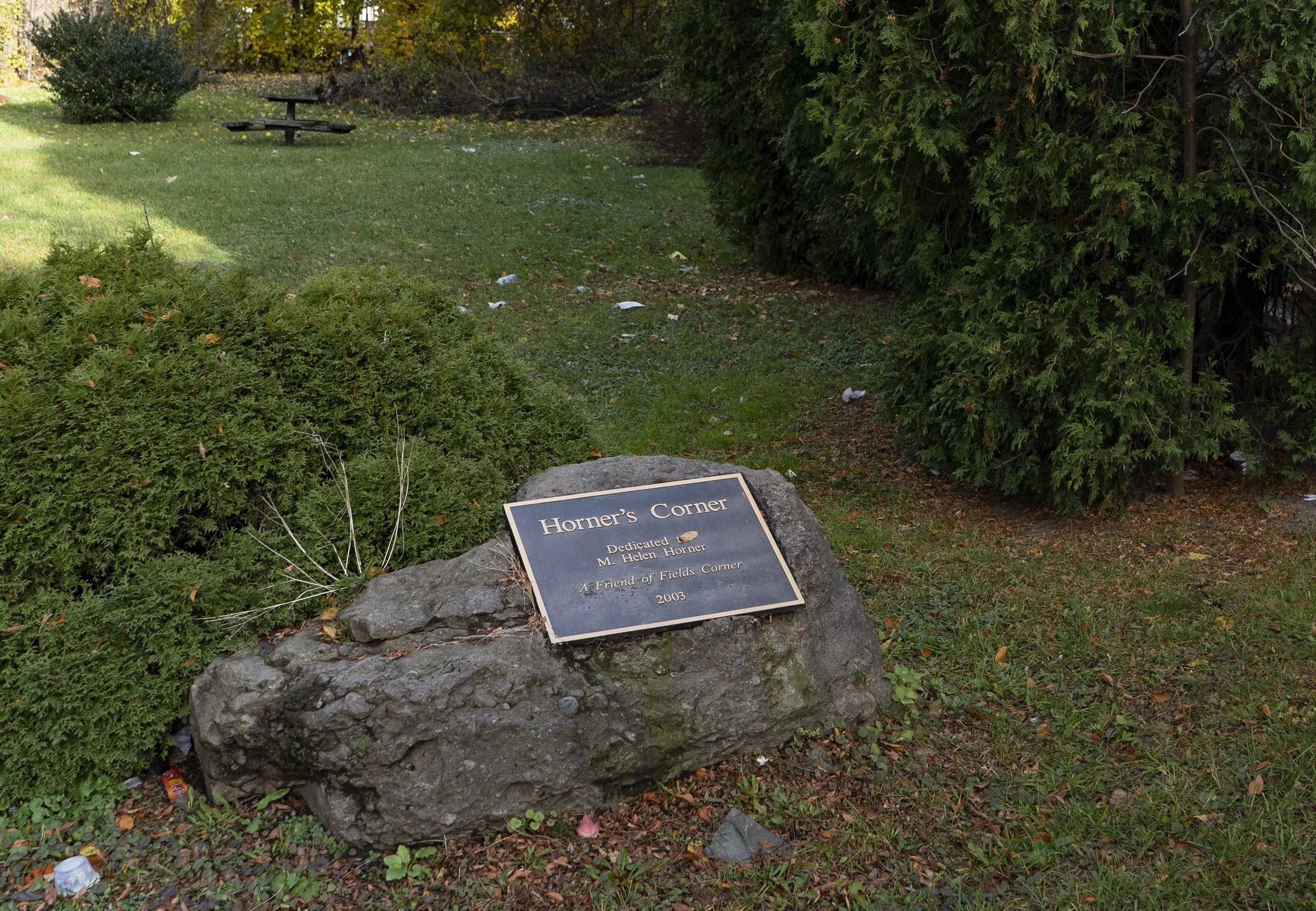
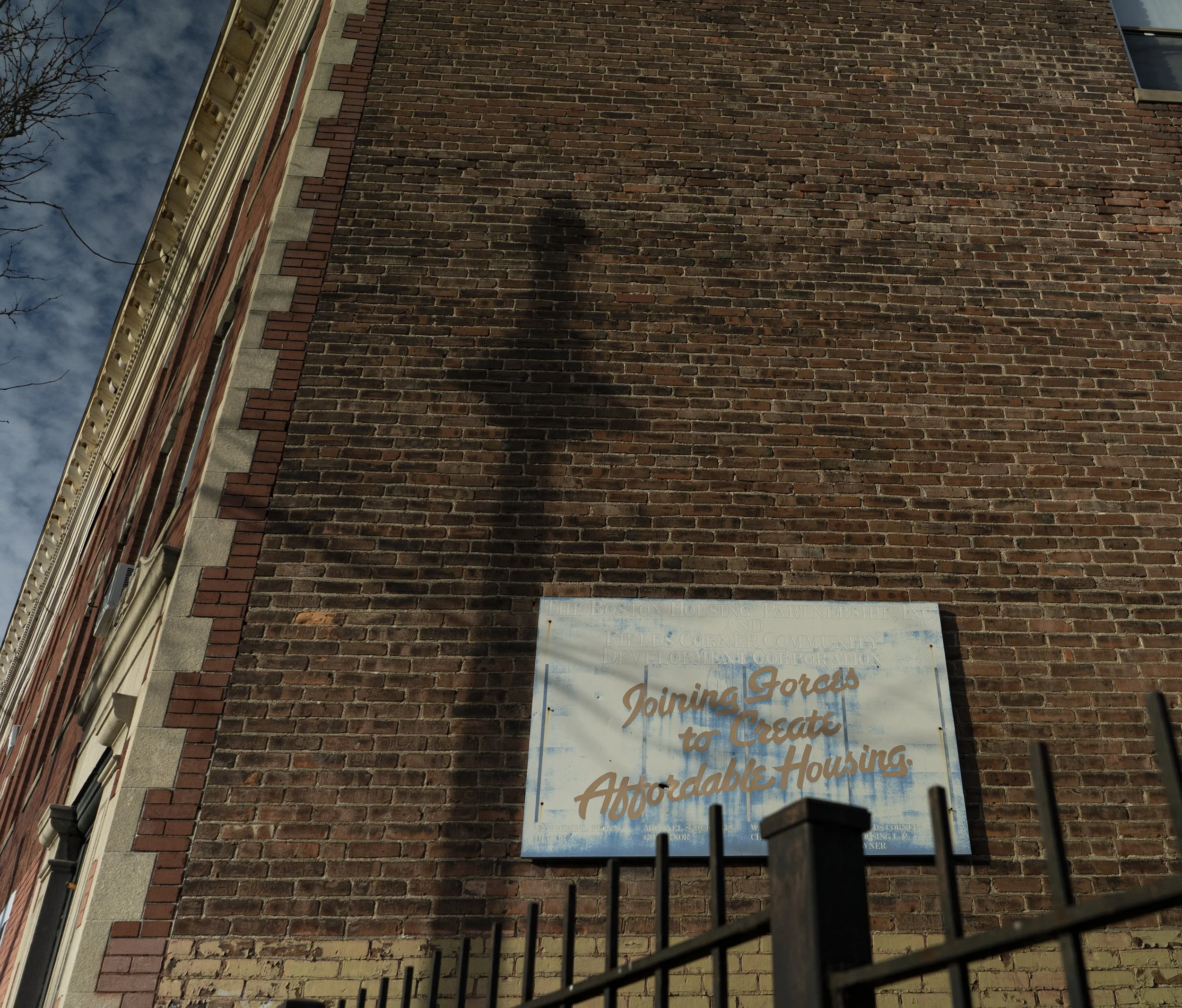
Photos by Krystle Brown. From the left, Mag Rag, one of Sarah’s favorite shops in Fields Corner. Center is Horner’s Corner, a park outside of Fields Corner dedicated to Sarah’s great-grandmother, a housing activist. And right is a sign right above Horner’s Corner.
Jenna
Former Dorchester Resident and Visual Artist
“...When I feel I have a home, it’s whenever I feel like... when I get out of my own way and enjoy where I am and put down my roots.”
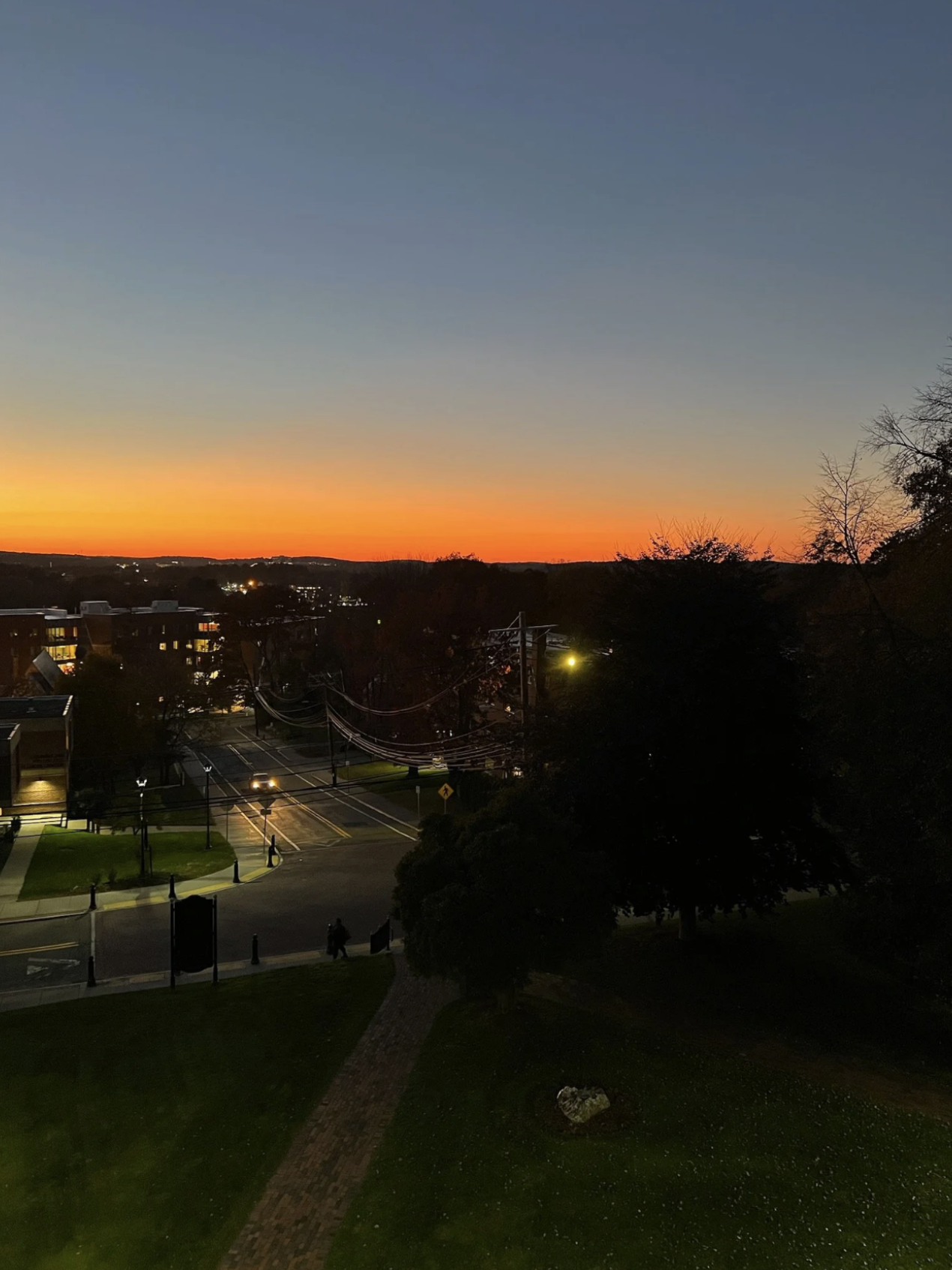
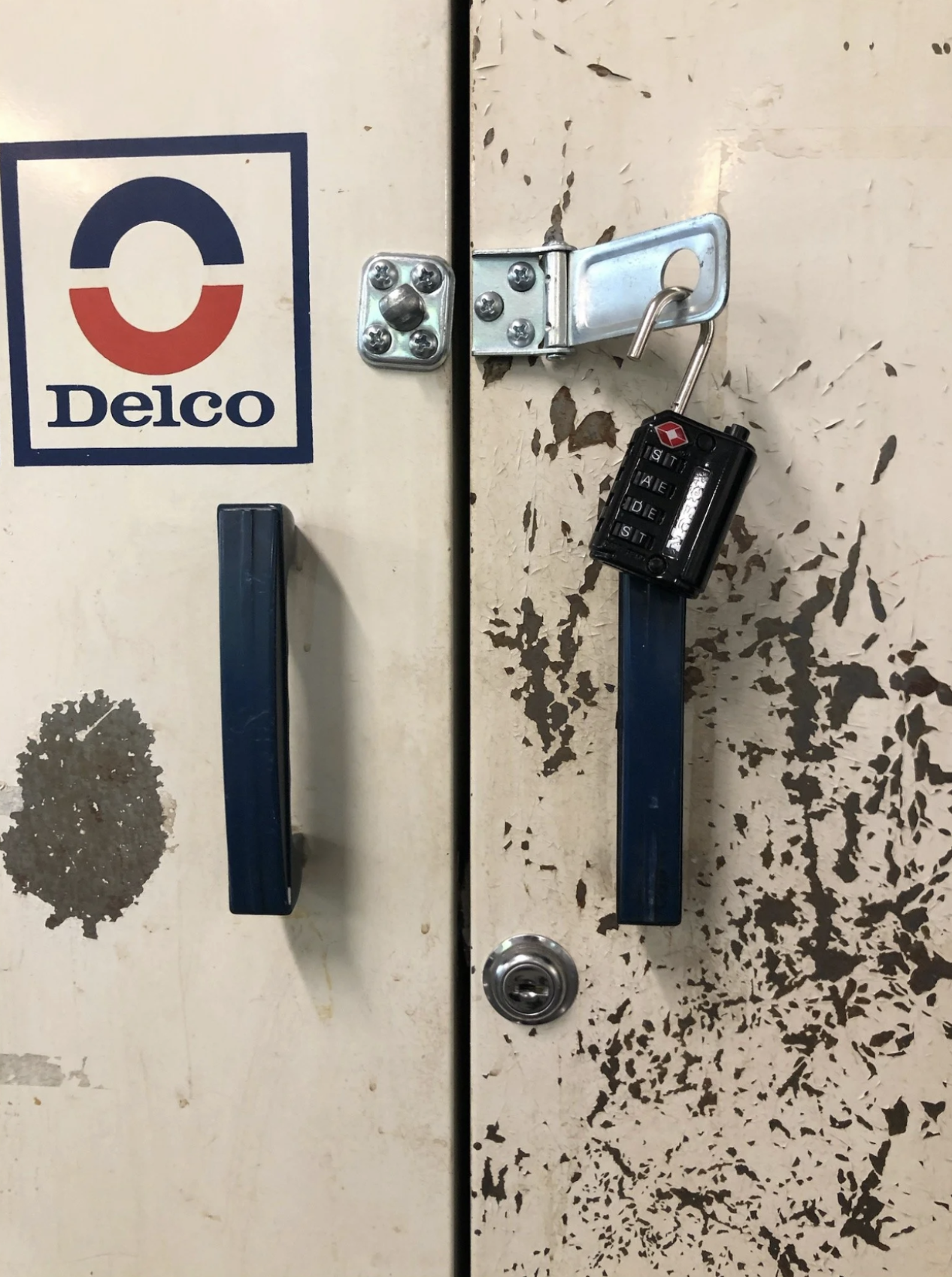
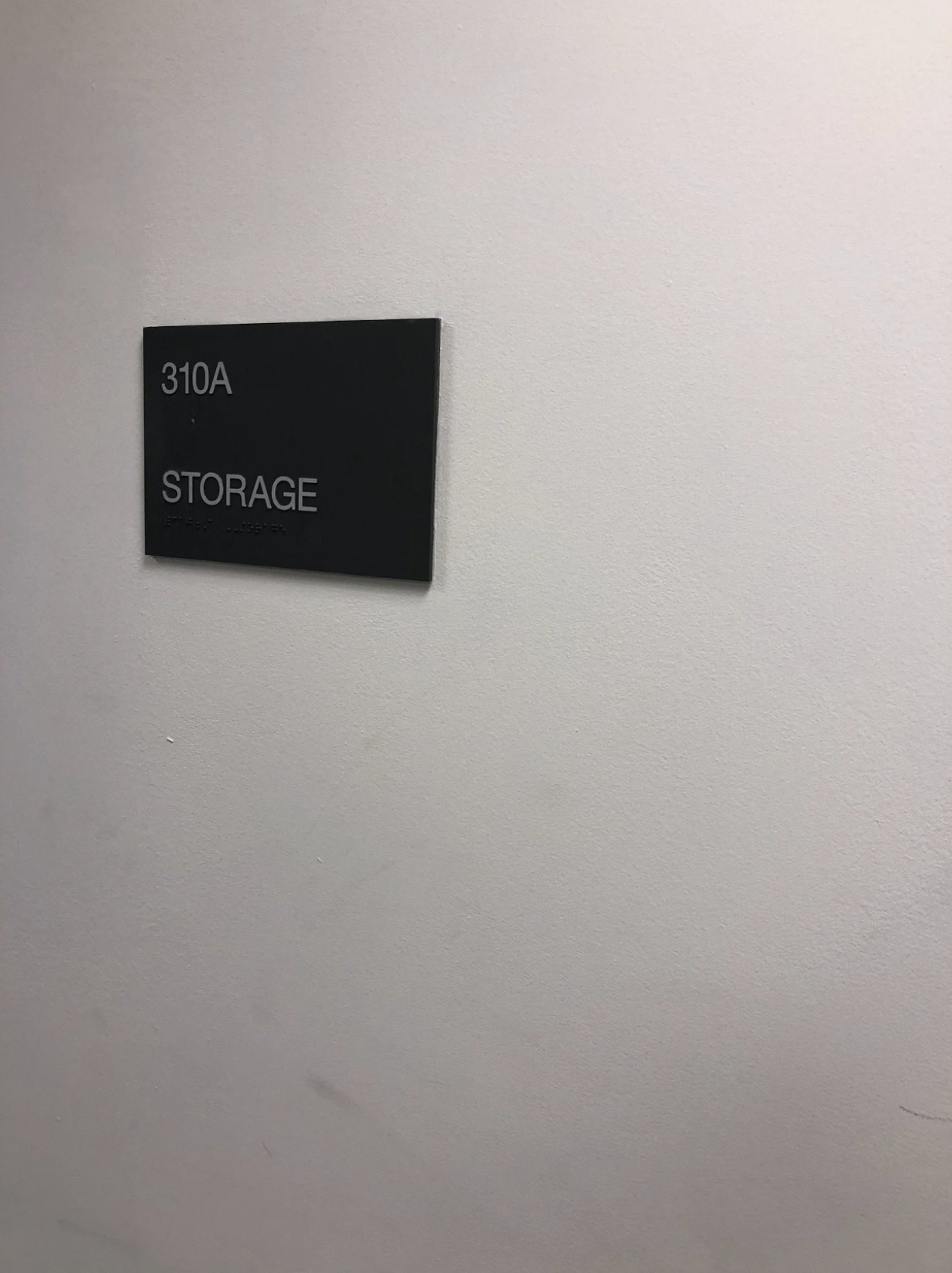
Photos by Jenna of her environments.
Tanya
Former Dorchester Resident and Community-Based Artist
“I didn’t go home until the streetlights came on.”

Tanya with her sisters and family in Dorchester.
What is Slán abhaile?
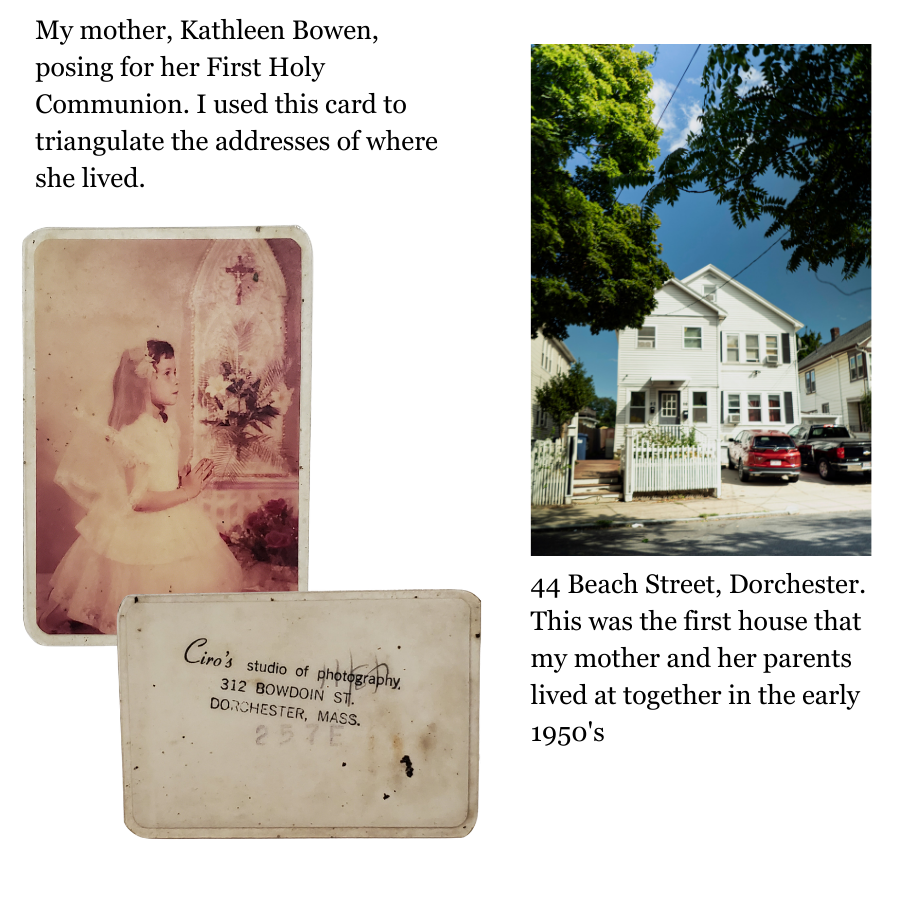
My mother, Kathleen Bowen Brown, grew up in Dorchester in the 1950s-70s. She faced a childhood of housing insecurity and economic hardship. Her struggle is alive and well in today. It is cyclical. Dorchester is home to people from all over the world: Vietnamese, Cape Verdean, Latine, Black, and Irish populations. Many have lived here their whole lives, while others have found Dorchester as their new home recently. Slán Abhaile are the words my recent Irish ancestors may have said to one another when wishing a loved one goodbye. The Hiberno-English translation means "safe home". It is a bid to wish someone safe towards home. The Irish (Gaelige) language is listed under the UNESCO Endangered Languages list. I wish to share my ancestral language to speak of home through time and generations, as a means to preserve communities and imagine better futures.
A safe home is not just the land or the physical structure; it is created through collective memory, community care, and opportunities for genuine connection.
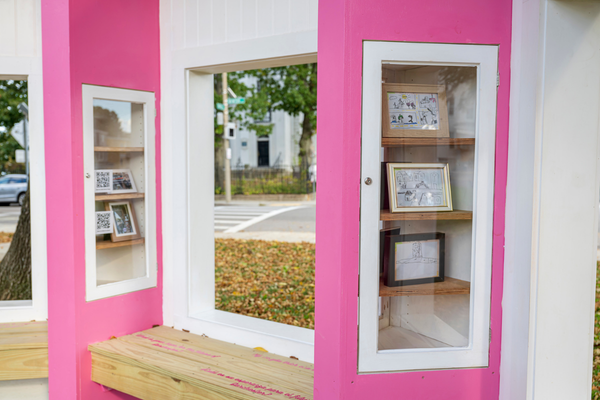
Rooted in photography, oral storytelling, and community archiving, Slán Abhaile / Safe Home grew out of my time walking and observing Dorchester’s built environment: classic triple-deckers lining the streets, the varied storefronts of Fields Corner and Meetinghouse Hill, and the public spaces where daily life unfolds. Even the project’s color palette comes directly from the neighborhood: the yellow-orange of the local Buddhist Center and the bright pink inspired by a nearby public installation. The project is intentionally a counterpoint to hostile architecture, which is urban design that uses the built environment to restrict or police behavior. These tactics disproportionately impact people who depend on public space, including youth, low-income residents, and those experiencing homelessness.
Photo: Faith Ninivaggi
Thank you: SIMPSON GUMPERTZ & HEGER, 4 Nichols, and BRM Production Management for making this happen, along with family, friends, and the community of Dorchester.
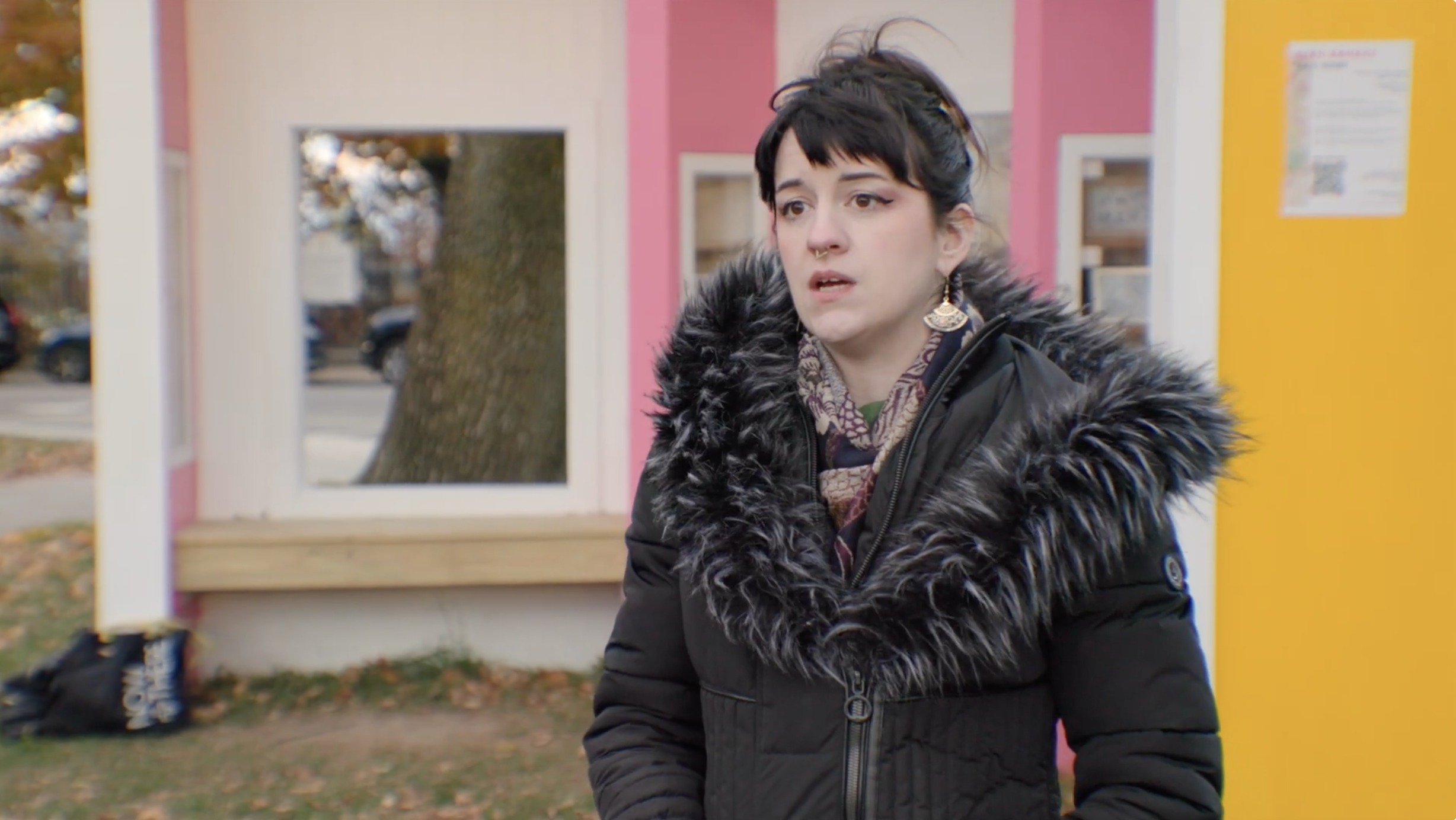
Community Outreach
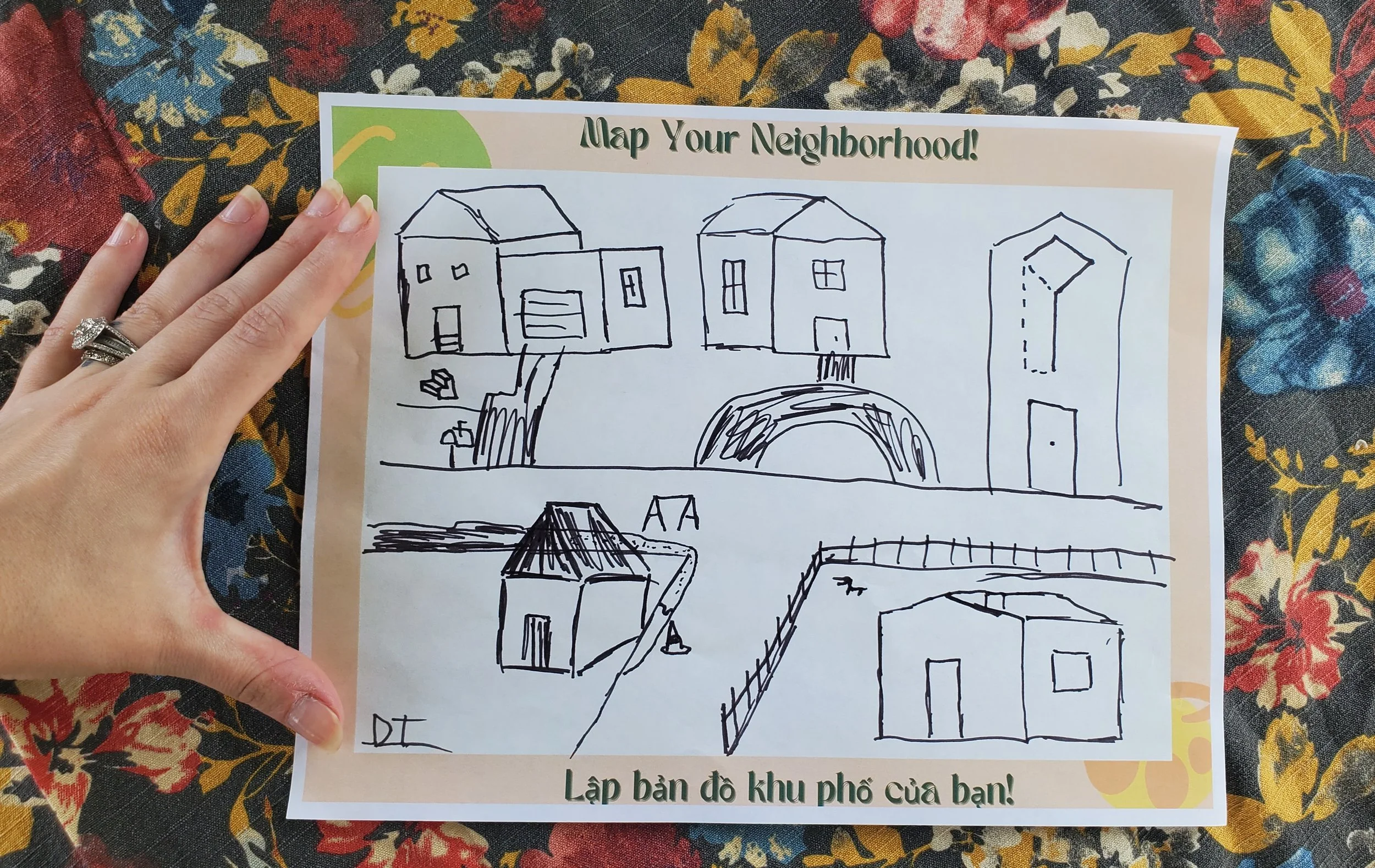
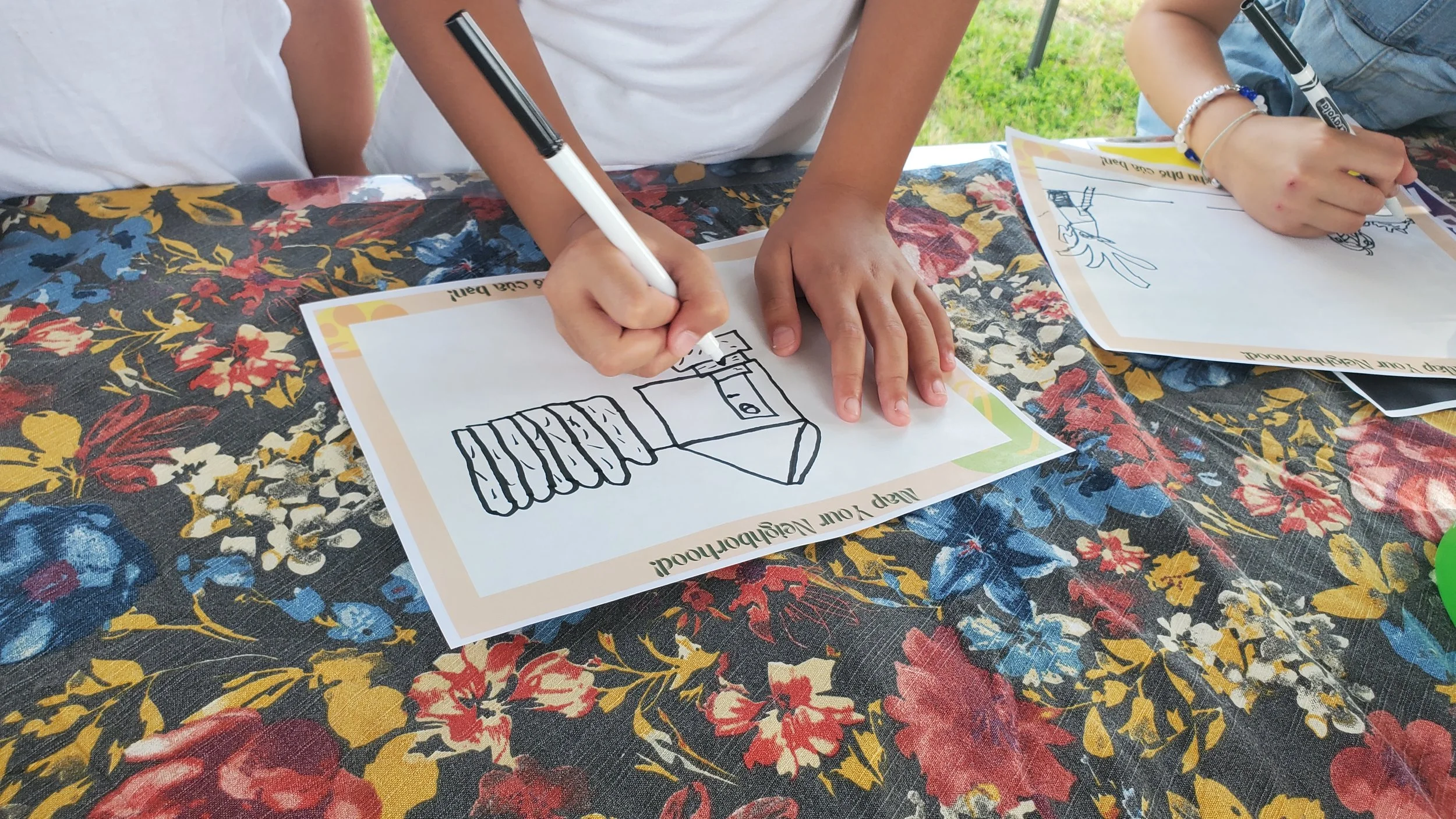
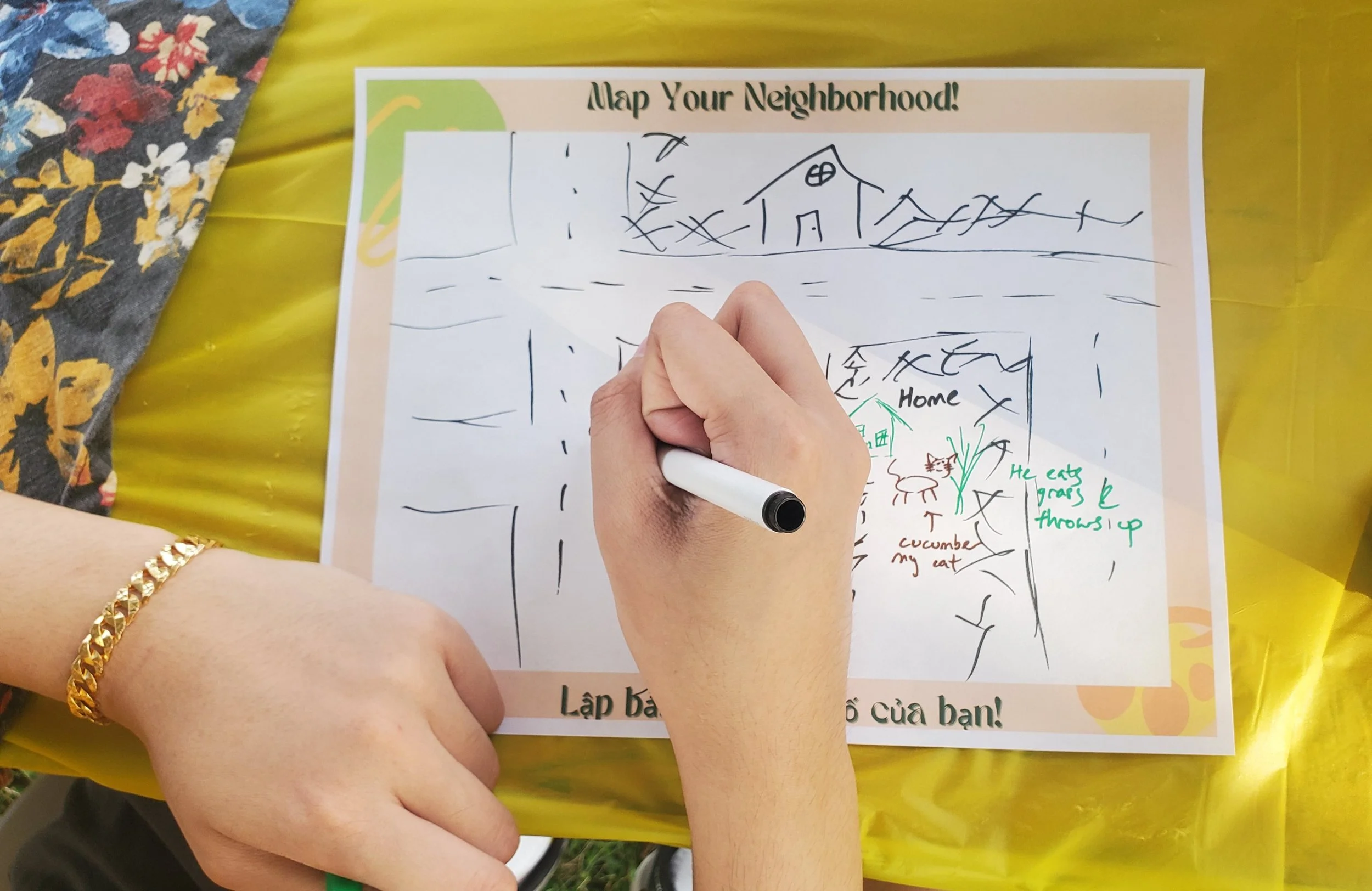
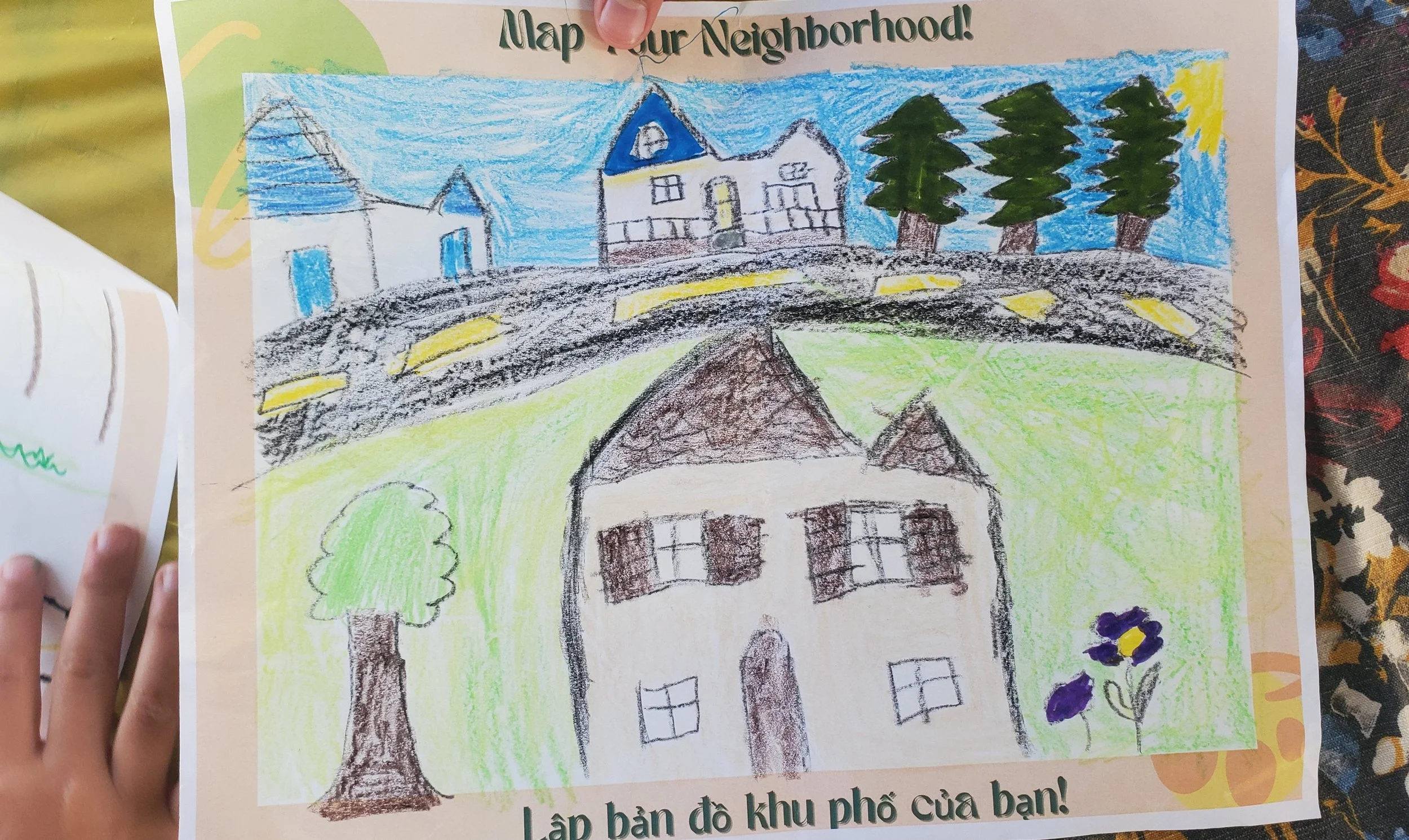
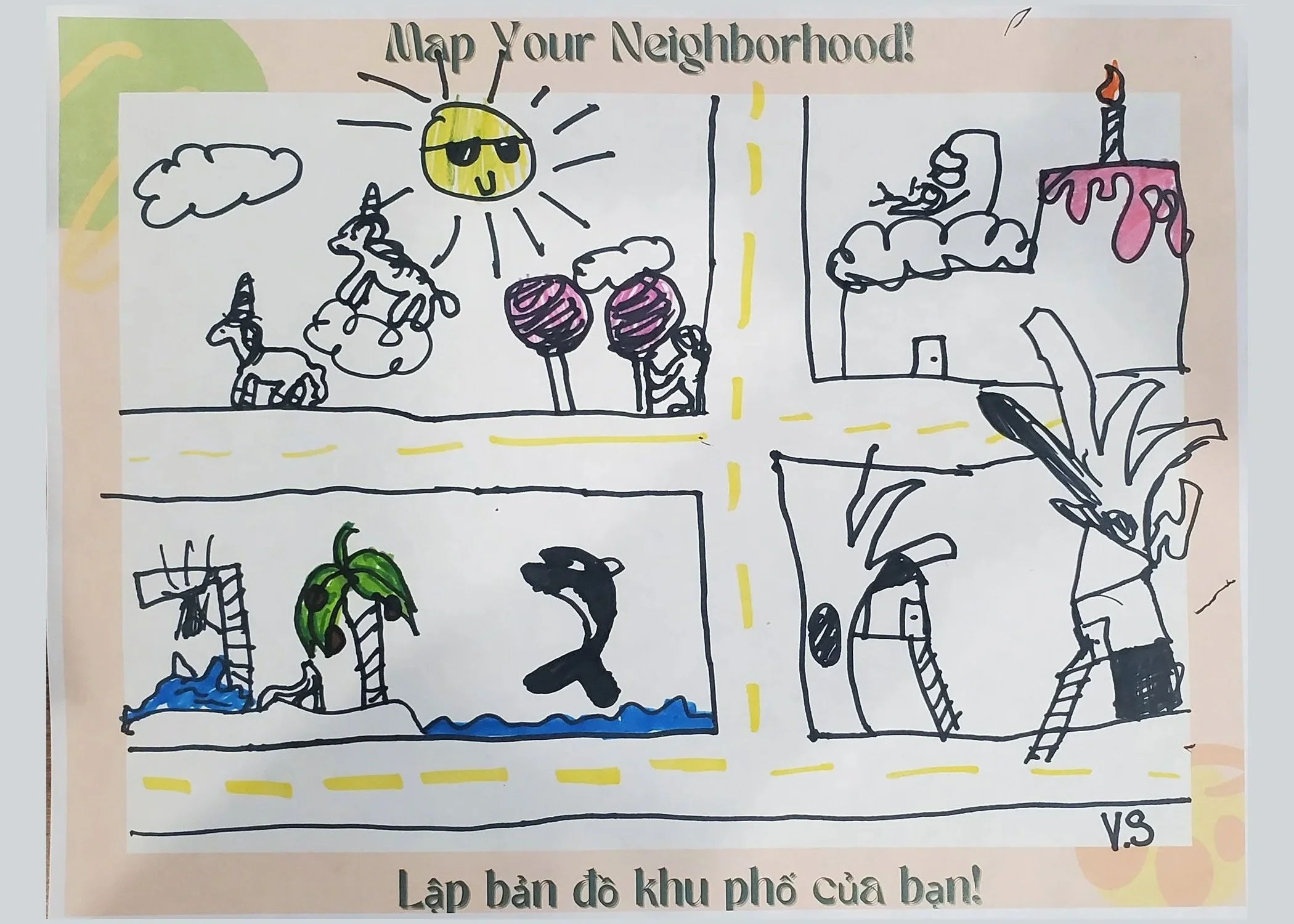
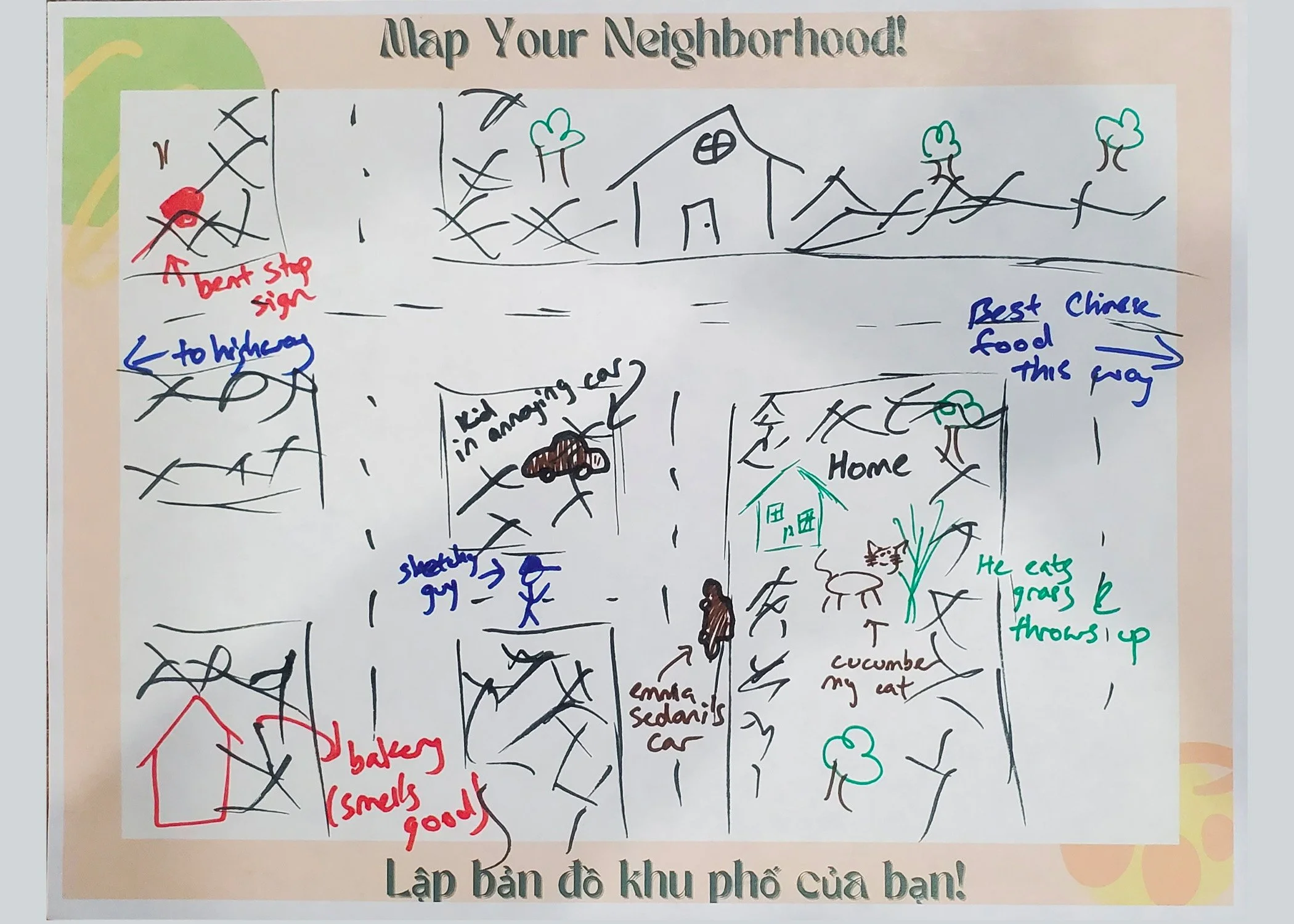
Slán Abhaile / Safe Home incorporates psychogeography into its concept and design. I designed brief workshops and activities that engage folks about their surroundings.
Can you draw your street from memory? What are the elements that come to mind first? Is there an iconic tree, an apartment building with a name carved into its facade? A corner store that you pick up snacks at? What would you draw when you’re asked to remember?
Workshops were held at the Boston Public Library- Fields Corner Branch in March 2023, as well as during the Boston Little Saigon Night Market, and focused on simple, child-friendly activities.